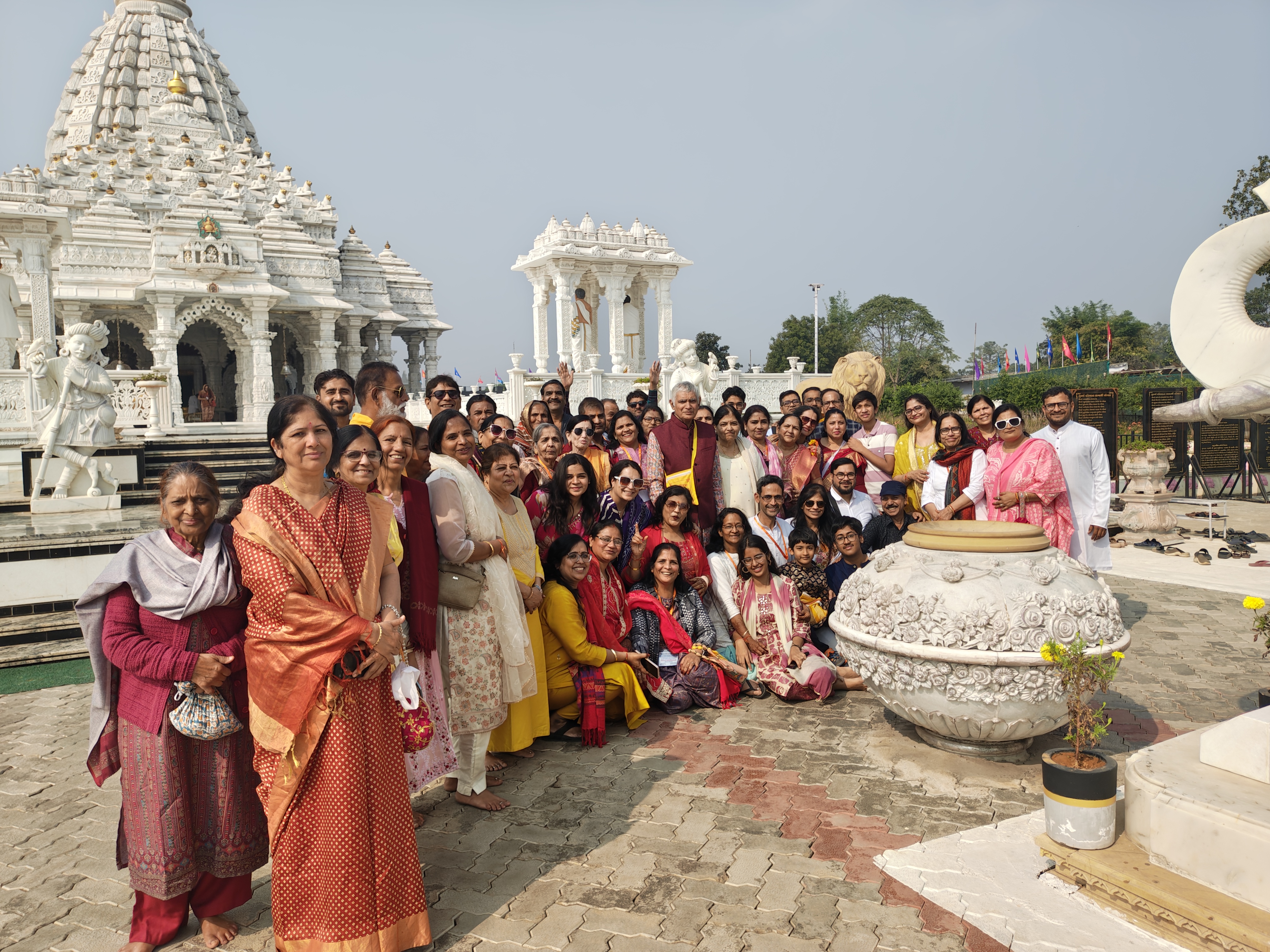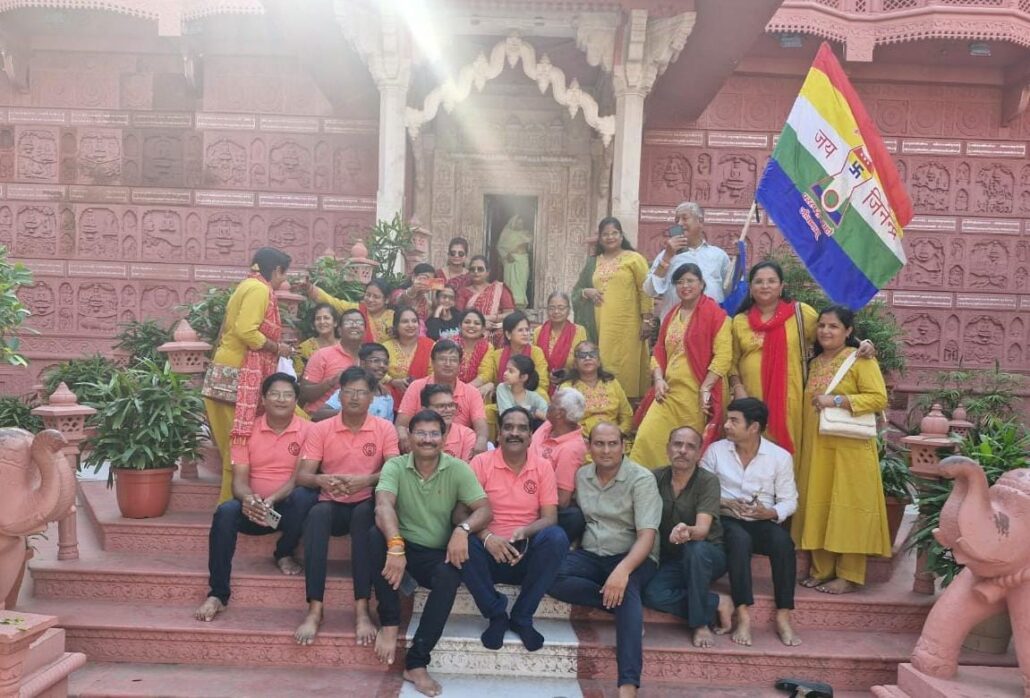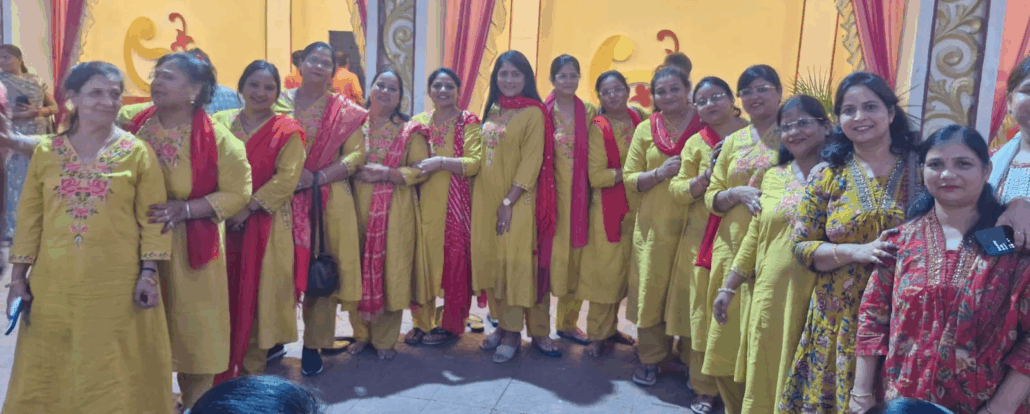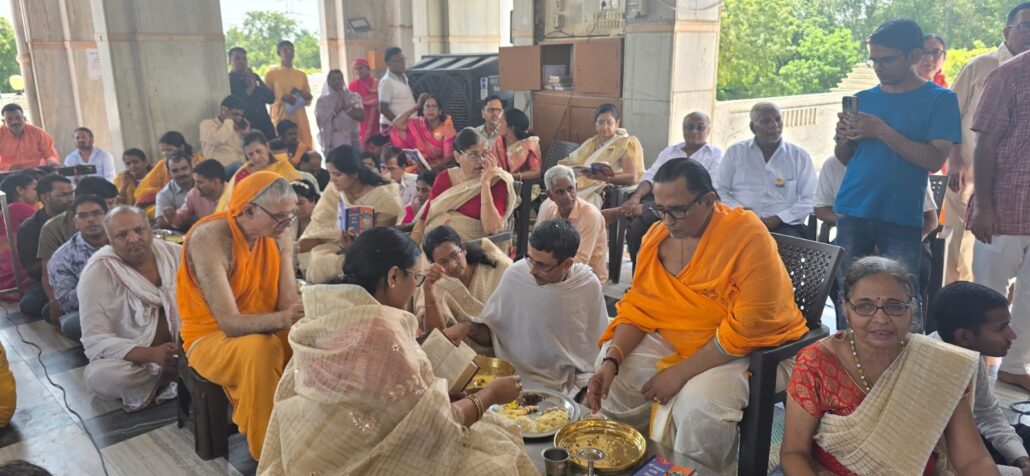

श्रद्धा, साधना और सेवा की अविस्मरणीय तीर्थयात्रा ( A Memorable Jain Pilgrimage of Faith, Devotion and Heritage)
कुंडलपुर – पटेरिया जी, गढ़ाकोटा – ललितपुर – गोलाकोट – खंडारगिरि – देवगढ़
17 से 21 अक्टूबर 2026
सिविल लाइन्स जैन मंदिर, जयपुर के 34 यात्रियों का आध्यात्मिक यात्रा-वृत्तांत
A Spiritual Journey of 34 Pilgrims from Civil Lines Jain Mandir, Jaipur
“तीर्थ हमारी संस्कृति और इतिहास के जीवंत कोषागार हैं। ये हमारे शाश्वत धाम और प्रेरणा के स्रोत हैं। संसार-सागर को पार करने के लिए ये नदी के घाट के समान उपयोगी निमित्त होते हैं, इसलिए इन्हें तीर्थ कहा गया है।”
“Jain pilgrimage sites are living repositories of our culture and history. They are our eternal abodes of faith and sources of inspiration. Just as riverbanks provide a means to cross a river, these sacred places serve as stepping stones on the path to liberation from the ocean of worldly existence.”
बुंदेलखंड की पावन भूमि पर अनेक ऐसे जैन तीर्थ स्थित हैं, जिनके दर्शन से श्रद्धा, भक्ति और आत्मकल्याण की भावना जागृत होती है। यहाँ के प्राचीन जिनालय, अतिशयकारी प्रतिमाएँ, ऐतिहासिक गुफाएँ और समृद्ध स्थापत्य हमारी धार्मिक एवं सांस्कृतिक विरासत का परिचय देते हैं।
The sacred land of Bundelkhand is home to numerous Jain pilgrimage sites that inspire faith, devotion and spiritual well-being. Its ancient temples, revered Tirthankara idols, historic caves and magnificent architectural heritage reflect the richness of Jain religious and cultural traditions.
इसी भावना के साथ सिविल लाइन्स जैन मंदिर, जयपुर से 34 यात्रियों का एक समूह बुंदेलखंड के प्रसिद्ध जैन तीर्थों की यात्रा पर निकला। इस दल में 14 पुरुष और 20 महिलाएँ शामिल थीं। 17 से 21 अक्टूबर 2026 तक चली इस यात्रा में भगवान आदिनाथ, पार्श्वनाथ, अभिनंदननाथ एवं मुनिसुव्रतनाथ के दर्शन, अभिषेक, पूजन, स्तोत्र-पाठ और प्राचीन जैन धरोहरों के अवलोकन का सौभाग्य प्राप्त हुआ।
With this spirit of devotion, a group of 34 pilgrims from Civil Lines Jain Mandir, Jaipur, embarked on a pilgrimage to some of the most renowned Jain holy sites of Bundelkhand. The group comprised 14 men and 20 women. The journey, scheduled from 17 to 21 October 2026, offered opportunities for darshan, abhishek, puja, devotional recitations and exploration of ancient Jain heritage.
यह यात्रा धार्मिक साधना के साथ ऐतिहासिक विरासत, प्रकृति, समूह में सहभागिता और पारस्परिक आत्मीयता का भी सुंदर अनुभव रही।
The pilgrimage became a memorable combination of spiritual practice, historical discovery, natural beauty and the joy of travelling together as a community.
1. जयपुर से कुंडलपुर की मंगलमय यात्रा The Sacred Journey from Jaipur to Kundalpur
17 अक्टूबर 2026 की शाम सभी यात्री जयपुर रेलवे स्टेशन पर एकत्रित हुए। शाम 5:26 बजे हम दयोदय एक्सप्रेस से अपनी तीर्थयात्रा के लिए रवाना हुए। सभी के मन में प्रसिद्ध जैन तीर्थ कुंडलपुर में बड़े बाबा भगवान आदिनाथ के दर्शन करने की विशेष उत्सुकता थी।
On the evening of 17 October 2026, all the pilgrims assembled at Jaipur Railway Station. At 5:26 PM, we departed by the Dayodaya Express, looking forward to visiting the renowned Jain pilgrimage site of Kundalpur and seeking the blessings of Bade Baba Bhagwan Adinath.
18 अक्टूबर को प्रातः 5:56 बजे हम दमोह रेलवे स्टेशन पहुँचे। वहाँ से बस एवं टुफान टैक्सि द्वारा लगभग 38 किलोमीटर की यात्रा करके सुबह 7:30 बजे श्री बड़े बाबा दिगंबर जैन मंदिर, कुंडलपुर पहुँचे।
On 18 October, we reached Damoh Railway Station at 5:56 AM. From there, we travelled approximately 38 kilometres by bus and Tufan taxi, reaching Shri Bade Baba Digambar Jain Mandir, Kundalpur, at around 7:30 AM.
कुंडलपुर की पावन भूमि पर पहुँचते ही सभी यात्रियों के मन में श्रद्धा और प्रसन्नता का भाव जागृत हुआ। हमने शांतिसागर धर्मशाला में अपने सामान रखे, जहाँ छह बेड वाले बड़े कमरों में ठहरने की व्यवस्था थी। इसके बाद सभी यात्री तैयार होकर मंदिर-दर्शन के लिए निकल पड़े।
Upon reaching this sacred place, everyone felt a sense of devotion, joy and spiritual anticipation. We first checked into Shanti Sagar Dharamshala, where accommodation was arranged in spacious rooms with six beds each. After settling our belongings, all the pilgrims prepared for temple visits.
बड़े बाबा भगवान आदिनाथ का अभिषेक एवं पूजन Abhishek and Puja of Bade Baba Bhagwan Adinath
सबसे पहले नीचे स्थित मंदिरों में दर्शन और अभिषेक किए। इसके बाद इलेक्ट्रिक ऑटो से पहाड़ी पर स्थित बड़े बाबा के विशाल मंदिर की ओर प्रस्थान किया। सुबह लगभग 8:45 बजे हम मंदिर पहुँचे।
We began by visiting the temples located in the lower part of the pilgrimage complex, where we performed darshan and abhishek. Thereafter, we proceeded towards the magnificent temple of Bade Baba Bhagwan Adinath, situated on the hill. Electric autos were available to take pilgrims to the temple. We reached the grand shrine at approximately 8:45 AM.

विशाल मंदिर की भव्यता और भगवान आदिनाथ की प्रतिमा के दर्शन ने सभी को भावविभोर कर दिया। सभी यात्रियों ने श्रद्धापूर्वक बड़े बाबा का अभिषेक एवं पूजन किया। यह हमारी यात्रा के अत्यंत महत्वपूर्ण आध्यात्मिक क्षणों में से एक था।
The impressive architecture of the temple and the divine presence of Bhagwan Adinath filled everyone with devotion. All the pilgrims participated in the abhishek and puja of Bade Baba with great reverence. This was one of the most spiritually fulfilling moments of our journey.
पूजन के पश्चात हम नीचे स्थित भोजनालय पहुँचे और सामूहिक रूप से दोपहर का भोजन किया।
After completing the rituals, we descended to the dining facility and enjoyed lunch together.
श्रमदान एवं हथकरघा निर्माण इकाई का अवलोकन Visit to the Shramdaan and Handloom Manufacturing Unit
दोपहर लगभग 1:30 बजे हमने श्रमदान एवं हथकरघा (Handloom) निर्माण इकाई का अवलोकन किया। वहाँ हथकरघा निर्माण की कार्यप्रणाली को समझने का अवसर मिला।
At approximately 1:30 PM, we visited a Shramdaan and Handloom Manufacturing Unit. We had the opportunity to observe and understand the handloom manufacturing process.

इस गतिविधि ने हमें यह अनुभव कराया कि तीर्थयात्रा केवल दर्शन और पूजा तक सीमित नहीं है। सेवा, श्रम की गरिमा और समाजोपयोगी गतिविधियों से जुड़ना भी हमारे जीवन में महत्वपूर्ण स्थान रखता है।
This activity added a meaningful social dimension to our pilgrimage. It reminded us that a pilgrimage is not limited to visiting temples and performing religious rituals; it also provides opportunities to appreciate the dignity of labour, voluntary service and activities that benefit society.
इसके बाद हम पुनः बड़े बाबा के मंदिर पहुँचे, जहाँ सामूहिक रूप से तीन प्रमुख धार्मिक स्तोत्रों का पाठ किया गया—
- श्रीमज्जिनसहस्रनाम स्तोत्र
- भक्तामर स्तोत्र (संस्कृत)
- तत्त्वार्थ सूत्र स्तोत्र
सामूहिक पाठ के दौरान मंदिर का वातावरण भक्तिमय हो उठा। सभी यात्रियों ने पूरी श्रद्धा और एकाग्रता से पाठ में सहभागिता की।
कुंडलपुर के जिनालयों की पदयात्रा
दोपहर लगभग 3:30 बजे हम कुंडलपुर के मंदिर क्रमांक 1 से 19 तक की वंदना के लिए पदयात्रा पर निकले। प्रत्येक जिनालय में भगवान के दर्शन और नमन करते हुए आगे बढ़ना आनंददायक अनुभव था।
सायंकाल लगभग 5:30 बजे हम नीचे स्थित मंदिर पहुँचे। वहाँ भोजन की व्यवस्था थी और आरती में सम्मिलित होने का अवसर मिला। इसी दौरान पूज्य समता सागरजी महाराज के दर्शन करने का सौभाग्य भी प्राप्त हुआ।
इसके पश्चात हम पुनः बड़े बाबा भगवान आदिनाथ के मंदिर पहुँचे। वहाँ आरती के साथ दीपक की ज्योति में भक्तामर स्तोत्र का सामूहिक पाठ किया गया। मंदिर में गूँजता स्तोत्र और दीपक की शांत लौ ने संध्या को अत्यंत भावपूर्ण बना दिया।

रात लगभग 9 बजे सभी यात्री विश्राम के लिए धर्मशाला लौट आए।
19 अक्टूबर की सुबह: सहस्रकूट जिनालय एवं शेष मंदिरों की वंदना
अगले दिन 19 अक्टूबर को सभी यात्री सुबह लगभग 4:30 बजे उठ गए। तैयार होकर 5:30 बजे बड़े बाबा के मंदिर पहुँचे। यहाँ पुनः श्रीमज्जिनसहस्रनाम, भक्तामर स्तोत्र और तत्त्वार्थ सूत्र स्तोत्र का पाठ किया गया।
प्रातः लगभग 6 बजे हम सहस्रकूट जिनालय पहुँचे और वहाँ विराजमान 1,008 तीर्थंकर प्रतिमाओं के दर्शन किए। यह हमारे लिए विशेष आध्यात्मिक अनुभव था।
इसके बाद कुंडलपुर के मंदिर क्रमांक 20 से 63 तक की वंदना की। इस प्रकार बड़े बाबा के अभिषेक, सामूहिक स्तोत्र-पाठ और मंदिरों की पदयात्रा के साथ कुंडलपुर प्रवास की धार्मिक गतिविधियाँ पूर्ण हुईं।
नाश्ता करने के बाद प्रातः लगभग 9 बजे हम बस से अगले पावन जैन तीर्थ की ओर रवाना हुए।
2. श्री पार्श्वनाथ दिगंबर जैन अतिशय क्षेत्र, पटेरिया जी, गढ़ाकोटा
19 अक्टूबर सुबह लगभग 11 बजे हम श्री 1008 पार्श्वनाथ दिगंबर जैन अतिशय क्षेत्र, पटेरिया जी, गढ़ाकोटा पहुँचे।
बुंदेलखंड की धार्मिक और सांस्कृतिक विरासत में पटेरिया जी का विशेष स्थान है। यह तीर्थ अपनी ऐतिहासिक महत्ता, विशिष्ट मंदिर स्थापत्य और भगवान पार्श्वनाथ की अतिशयकारी प्रतिमाओं के लिए प्रसिद्ध है।
मंदिर पहुँचकर भगवान के दर्शन किए और फिर सामूहिक रूप से दोपहर का भोजन किया। इसके पश्चात सभी यात्रियों ने अगले पड़ाव के लिए प्रस्थान की तैयारी की।
पटेरिया जी का ऐतिहासिक एवं स्थापत्य महत्व
लगभग तीन सौ वर्ष पुराना यह मंदिर भारतीय मंदिर स्थापत्य की विशिष्ट परंपरा का परिचय देता है। इसकी संरचना में मराठा शैली का प्रभाव, विशाल परकोटा, प्रदक्षिणा पथ और अंतःपरिक्रमा की व्यवस्था विशेष रूप से उल्लेखनीय हैं।
मंदिर की परिक्रमा करते हुए उसकी बनावट और स्थापत्य की बारीकियों को देखना अपने आप में एक अनुभव था। प्राचीन कारीगरों की कल्पनाशीलता, निर्माण-कौशल और धार्मिक आस्था का भाव इस जिनालय की संरचना में दिखाई देता है।
परंपरागत विवरणों के अनुसार, मंदिर की प्रतिष्ठा माघ शुक्ल अष्टमी, विक्रम संवत 1839 में हुई थी। इसके निर्माण और प्रतिष्ठा में जैन समाज के बनोनया वंश के प्रतिष्ठित दानदाता श्री मोहनदास रामकिशुन जी शाह का महत्वपूर्ण योगदान माना जाता है। पंचकल्याणक प्रतिष्ठा भट्टारक श्री महेन्द्र कीर्तिजी के सान्निध्य में तथा गढ़ाकोटा के तत्कालीन बुंदेला शासक महाराजाधिराज हरिसिंहजू देव के संरक्षण में संपन्न हुई थी।
मंदिर से जुड़ी एक विशेष परंपरा यह है कि इसके निर्माण तथा पंचकल्याणक एवं गजरथ महोत्सव में एक दिन की रूई अर्थात कपास के व्यापार से प्राप्त आय का उपयोग किया गया था। यह प्रसंग दान, धर्मनिष्ठा और समर्पण की भावना को दर्शाता है।
पटेरिया जी की प्रमुख प्रतिमाएँ
इस तीर्थ के मूलनायक भगवान पार्श्वनाथ हैं। यहाँ की विशेषता एक ही वेदी पर विराजमान भगवान पार्श्वनाथ की लगभग सात फुट ऊँची तीन प्रतिमाएँ हैं, जिन्हें श्रद्धालु चिंतामणि पार्श्वनाथ, त्रिफर्णी पार्श्वनाथ और सांवलिया पार्श्वनाथ के नाम से जानते हैं।
इसके अतिरिक्त परिक्रमा में सहस्रफणी पार्श्वनाथ की खड्गासन प्रतिमा और भगवान महावीर की कृष्णवर्ण प्रतिमा सहित अन्य जिनप्रतिमाओं के दर्शन करने का अवसर मिलता है। मंदिर के प्रवेश द्वार के दाहिनी ओर क्षेत्रपाल बाबा की प्रतिमा भी श्रद्धालुओं की आस्था का केंद्र है।
पटेरिया जी को स्थानीय स्तर पर ‘घुनघुनिया मंदिर’ भी कहा जाता है। जनश्रुति के अनुसार, मध्यरात्रि में देवों द्वारा भगवान पार्श्वनाथ की भक्ति किए जाने और घुंघरुओं जैसे मधुर वाद्य-स्वरों की ध्वनि सुनाई देने की मान्यता है। इस परंपरा से जुड़ी अनेक कथाएँ स्थानीय श्रद्धालुओं के बीच प्रचलित हैं।
पटेरिया जी के दर्शन ने हमें यह अनुभव कराया कि तीर्थों का महत्व केवल पूजा-अर्चना में ही नहीं, बल्कि उनके इतिहास, स्थापत्य, लोकपरंपराओं और पीढ़ियों से चली आ रही आस्था में भी निहित है।
ललितपुर की ओर प्रस्थान
दोपहर लगभग 12:30 बजे हमने पटेरिया जी से अगले पड़ाव के लिए प्रस्थान किया। हमारा अगला लक्ष्य था श्री मुनिसुव्रत नाथ दिगंबर जैन मंदिर, ज्ञानोदय नगर और श्री अभिनंदनोदय तीर्थक्षेत्र, ललितपुर।
3. श्री मुनिसुव्रत नाथ दिगंबर जैन मंदिर, ज्ञानोदय नगर, ललितपुर
शाम लगभग 4 बजे हम श्री मुनिसुव्रत नाथ दिगंबर जैन मंदिर, ज्ञानोदय नगर, ललितपुर पहुँचे।
पटेरिया जी के ऐतिहासिक जिनालय के दर्शन के पश्चात इस मंदिर में पहुँचना हमारी यात्रा का अगला आध्यात्मिक पड़ाव था। सभी यात्रियों ने भगवान के दर्शन कर श्रद्धापूर्वक नमन किया।
कुछ समय वहाँ व्यतीत करने के बाद हम अगले तीर्थ, श्री अभिनंदनोदय तीर्थक्षेत्र, के लिए रवाना हुए।
4.श्री अभिनंदनोदय तीर्थक्षेत्र, ललितपुर
शाम लगभग 5:30 बजे हम श्री अभिनंदनोदय तीर्थक्षेत्र, ललितपुर पहुँचे। सबसे पहले सभी यात्रियों ने रात्रिभोज किया। इसके बाद इस विशाल और विशिष्ट तीर्थ परिसर के दर्शन किए।
पाँच मंजिलों में फैला विशाल कृत्रिम गुफा मंदिर
इस तीर्थ का एक प्रमुख आकर्षण पाँच मंजिलों में फैला विशाल कृत्रिम गुफा मंदिर है। इसकी संरचना और आंतरिक व्यवस्था इसे अन्य मंदिरों से अलग पहचान देती है।
गुफा मंदिर के दर्शन करते हुए सभी यात्रियों ने इसकी बनावट और भव्यता का अवलोकन किया। एक ही परिसर में अलग-अलग धार्मिक संरचनाओं को देखना हमारे लिए रोचक अनुभव था।
मूलनायक भगवान श्री 1008 अभिनंदननाथ स्वामी
इसके पश्चात हमने मूलनायक भगवान श्री 1008 अभिनंदननाथ स्वामी के दर्शन किए। सभी यात्रियों ने श्रद्धापूर्वक भगवान के समक्ष नमन किया।
यहाँ चौबीसी मंदिर और नंदीश्वर द्वीप जिनालय के दर्शन भी किए। इन जिनालयों की धार्मिक संरचना और प्रतिमाओं के दर्शन से मन में विशेष शांति का अनुभव हुआ।
दर्शन के बाद आरती में भाग लिया। संध्या का यह समय धार्मिक आस्था और सामूहिक भक्ति से परिपूर्ण था।
रात्रि लगभग 7:30 बजे हम अगले पड़ाव के लिए रवाना हुए। अब हमारी यात्रा का लक्ष्य था तीर्थोदय गोलाकोट दिगंबर जैन तीर्थ।
5. तीर्थोदय गोलाकोट दिगंबर जैन तीर्थ
लगभग रात 10:15 बजे हमारा समूह गोलाकोट पहुँचा। लंबी यात्रा के बाद इस सुंदर और सुव्यवस्थित जैन तीर्थ परिसर में पहुँचकर सभी को राहत मिली।
तीर्थोदय गोलाकोट दिगंबर जैन तीर्थ का वातावरण शांत और आकर्षक था। परिसर की व्यवस्था तथा यात्रियों के ठहरने के लिए उपलब्ध सुविधाएँ अच्छी तरह व्यवस्थित थीं।
रात्रि में हमने प्राचीन भगवान आदिनाथ प्रतिमा के दर्शन किए। दर्शन के पश्चात सभी यात्री परिसर में उपलब्ध सुव्यवस्थित आवास में ठहरे।
दिनभर की यात्रा, अनेक मंदिरों के दर्शन और सामूहिक धार्मिक गतिविधियों के बाद सभी ने विश्राम किया, ताकि अगले दिन की यात्रा ऊर्जा और उत्साह के साथ प्रारंभ की जा सके।
6. गोलाकोट में ध्यान, अभिषेक एवं पूजन
20 अक्टूबर को सभी यात्री प्रातः लगभग 5 बजे उठ गए। तैयार होकर सुबह 6 बजे मंदिर पहुँचे।
सुबह के शांत वातावरण में हमने ध्यान किया। इसके पश्चात भगवान आदिनाथ का अभिषेक, शांतिधारा और पूजन किया गया।
ध्यान और पूजा के इस क्रम ने मन को शांति और एकाग्रता प्रदान की। विभिन्न तीर्थों में दर्शन करते हुए जो आध्यात्मिक भाव विकसित हुआ था, वह गोलाकोट में प्रातःकालीन साधना के दौरान और गहरा हुआ।
संत कुटीर में नौका-विहार
पूजा के पश्चात परिसर में स्थित संत कुटीर क्षेत्र में लगभग सुबह 10:30 बजे नौका-विहार (Boat Riding) का आनंद लिया।
यह हमारी यात्रा का एक अलग और आनंदमय अनुभव था। धार्मिक साधना और मंदिर-दर्शन के बीच प्रकृति के निकट समय बिताने का अवसर मिला। विशेष रूप से बच्चों ने नौका-विहार का भरपूर आनंद लिया। बच्चों की प्रसन्नता देखकर सभी बड़ों को भी खुशी हुई।
इस प्रकार गोलाकोट में श्रद्धा, ध्यान और पूजन के साथ मनोरंजन तथा सामूहिक आनंद का सुंदर समन्वय देखने को मिला।
नौका-विहार के पश्चात सभी यात्रियों ने दोपहर का भोजन किया। फिर लगभग 1 बजे हम अगले ऐतिहासिक जैन स्थल की ओर रवाना हुए।
7. खंडारगिरि जैन गुफा मंदिर, चंदेरी
दोपहर लगभग 2:30 बजे हम खंडारगिरि जैन गुफा मंदिर पहुँचे। यह स्थल चंदेरी क्षेत्र की पहाड़ियों में स्थित प्राचीन जैन धरोहरों के लिए प्रसिद्ध है।
खंडारगिरि की पहाड़ी पर छह प्रमुख गुफाएँ हैं, जिनमें जैन तीर्थंकरों की प्रतिमाएँ विराजमान हैं। पहाड़ी पर अन्य उत्कीर्ण मूर्तियाँ और शिलालेखयुक्त शैल-कक्ष भी मिलते हैं।
चट्टानों को काटकर बनाई गई गुफाओं और उनमें प्रतिष्ठित जिनप्रतिमाओं को देखना हमारे लिए एक अनूठा अनुभव था। यहाँ की शिल्पकला यह दर्शाती है कि प्राचीन काल में धार्मिक साधना के लिए प्राकृतिक पहाड़ियों को किस प्रकार पवित्र स्थलों के रूप में विकसित किया गया।
प्राचीन शिल्पकला और शिलालेख
खंडारगिरि की विशेषता केवल इसकी गुफाएँ ही नहीं हैं, बल्कि यहाँ पहाड़ी चट्टानों पर उकेरी गई प्रतिमाएँ और शिलालेख भी हैं। ये प्राचीन धार्मिक परंपरा तथा उस समय की कलात्मक अभिव्यक्ति के महत्वपूर्ण संकेत हैं।
इतिहास और स्थापत्य में रुचि रखने वाले यात्रियों के लिए यह स्थल विशेष आकर्षण का केंद्र रहा। मंदिरों में भगवान के दर्शन के साथ-साथ प्राचीन शिल्प एवं सांस्कृतिक विरासत को समझने का भी अवसर मिला।
कुंडलपुर के विशाल मंदिरों, पटेरिया जी की पारंपरिक स्थापत्य शैली और गोलाकोट की शांत आध्यात्मिक व्यवस्था के बाद खंडारगिरि की पहाड़ियों में चट्टानों को काटकर बनाई गई प्राचीन गुफाओं को देखना हमारी यात्रा का एक अलग अनुभव था।
लगभग 3:30 बजे के बाद हमने देवगढ़ की ओर यात्रा जारी रखी और शाम लगभग 6 बजे देवगढ़ दिगंबर जैन क्षेत्र पहुँचे।
8. देवगढ़ दिगंबर जैन क्षेत्र
देवगढ़, उत्तर प्रदेश के ललितपुर जिले में स्थित एक महत्वपूर्ण ऐतिहासिक एवं पुरातात्त्विक क्षेत्र है। यहाँ पहाड़ी किले के पूर्वी भाग में स्थित जैन मंदिर अपनी प्राचीन प्रतिमाओं, विविध शिल्पकला और धार्मिक महत्व के लिए प्रसिद्ध हैं।
शाम को पहुँचने के बाद हमने भोजन किया और फिर देवगढ़ के जैन मंदिर परिसर के दर्शन किए।
देवगढ़ के 31 प्राचीन जैन मंदिर
देवगढ़ का जैन मंदिर परिसर लगभग 8वीं से 17वीं शताब्दी के बीच विकसित हुआ। यहाँ विभिन्न आकार, आयु और स्थापत्य विशेषताओं वाले 31 जैन मंदिरों का समूह है।
इस परिसर में लगभग 2,000 मूर्तियों का उल्लेख मिलता है। तीर्थंकर प्रतिमाओं, जैन पौराणिक कथाओं के दृश्य, आयागपट्ट और विविध धार्मिक शिल्पांकन यहाँ की प्रमुख विशेषताएँ हैं। कुछ स्तंभों पर बड़ी संख्या में जैन आकृतियाँ उकेरी गई हैं।
मंदिरों की प्रतिमाओं में दिखाई देने वाली शैलीगत विविधता प्राचीन भारतीय मूर्तिकला की समृद्ध परंपरा का परिचय देती है। यहाँ भगवान की प्रतिमाओं के साथ-साथ जैन धर्म से जुड़ी अनेक धार्मिक अवधारणाओं को शिल्प के माध्यम से अभिव्यक्त किया गया है।
इतिहास और संरक्षण
देवगढ़ के मंदिर सदियों के ऐतिहासिक परिवर्तनों के साक्षी रहे हैं। समय के साथ प्राकृतिक क्षरण, वनस्पति और रखरखाव संबंधी चुनौतियों ने इस धरोहर को प्रभावित किया। उपलब्ध ऐतिहासिक विवरणों के अनुसार, जैन समुदाय 1939 से इन मंदिरों के प्रबंधन और संरक्षण संबंधी गतिविधियों में योगदान देता रहा है।
मंदिर परिसर में घूमते हुए यह महसूस होता है कि हमारी प्राचीन धार्मिक धरोहरों को सुरक्षित रखना कितना आवश्यक है। इन मंदिरों में धर्म, इतिहास, स्थापत्य और कला का ऐसा समन्वय दिखाई देता है, जो हमें अपनी सांस्कृतिक विरासत के प्रति गर्व और उत्तरदायित्व का भाव प्रदान करता है।
देवगढ़ के जिनालयों के दर्शन इस यात्रा का एक महत्वपूर्ण ऐतिहासिक पड़ाव रहे। यहाँ की प्रतिमाओं और स्थापत्य विशेषताओं ने हमारी यात्रा को धार्मिक अनुभूति के साथ सांस्कृतिक अध्ययन का अवसर भी प्रदान किया।
9. देवगढ़ से सागर रेलवे स्टेशन और जयपुर वापसी
देवगढ़ के जैन मंदिरों के दर्शन के पश्चात लगभग शाम 7:30 बजे हम सागर रेलवे स्टेशन के लिए रवाना हुए।
लंबी सड़क यात्रा के बाद रात लगभग 11:30 बजे हमारा समूह सागर रेलवे स्टेशन पहुँचा। वहाँ से हमने दयोदय एक्सप्रेस द्वारा जयपुर वापसी की यात्रा प्रारंभ की।
रेल यात्रा के दौरान सभी यात्रियों के मन में बीते दिनों की स्मृतियाँ थीं। कुंडलपुर में बड़े बाबा का अभिषेक, पटेरिया जी की प्राचीन प्रतिमाएँ, ललितपुर के भव्य मंदिर, गोलाकोट का नौका-विहार, खंडारगिरि की प्राचीन गुफाएँ और देवगढ़ की ऐतिहासिक मूर्तिकला—इन सभी अनुभवों ने यात्रा को विशेष बना दिया था।
21 अक्टूबर 2026 को पूर्वाह्न लगभग 11:50 बजे हम जयपुर पहुँचे। सभी यात्रियों ने प्रसन्नता और संतोष के साथ अपनी तीर्थयात्रा पूर्ण की।
10. पाँच दिनों की यात्रा से प्राप्त आध्यात्मिक और सांस्कृतिक अनुभव
17 से 21 अक्टूबर 2026 तक की इस यात्रा में हमने बुंदेलखंड और आसपास के क्षेत्रों के अनेक प्रमुख जैन तीर्थों के दर्शन किए।
कुंडलपुर में बड़े बाबा भगवान आदिनाथ के अभिषेक एवं पूजन, सहस्रकूट जिनालय के 1,008 तीर्थंकरों के दर्शन तथा 50 जिनालयों की वंदना ने यात्रा को आध्यात्मिक आधार दिया।
पटेरिया जी, गढ़ाकोटा में भगवान पार्श्वनाथ की अतिशयकारी प्रतिमाओं और ऐतिहासिक मंदिर स्थापत्य को देखने का अवसर मिला। ललितपुर में भगवान मुनिसुव्रतनाथ और भगवान अभिनंदननाथ के दर्शन किए तथा पाँच मंजिलों वाले गुफा मंदिर, चौबीसी मंदिर और नंदीश्वर द्वीप जिनालय का अवलोकन किया।
गोलाकोट में प्रातःकालीन ध्यान, अभिषेक, शांतिधारा एवं पूजन के साथ नौका-विहार ने यात्रा में शांति और आनंद का सुंदर मेल प्रस्तुत किया। खंडारगिरि की प्राचीन गुफाओं और देवगढ़ के ऐतिहासिक मंदिरों ने जैन धर्म की समृद्ध कला एवं स्थापत्य विरासत से परिचित कराया।
इस यात्रा की एक विशेष उपलब्धि यह भी रही कि 34 यात्रियों का समूह लगातार पाँच दिनों तक सामूहिक रूप से दर्शन, पूजन और यात्रा गतिविधियों में सहभागी बना रहा। परस्पर सहयोग, समयबद्ध कार्यक्रम, सामूहिक भोजन और एक साथ तीर्थ-वंदना ने सभी के बीच आत्मीयता को और बढ़ाया।
स्मृतियों में सदैव जीवंत रहेगी यह यात्रा
तीर्थयात्रा का वास्तविक महत्व केवल नए स्थानों पर पहुँचने में नहीं, बल्कि उन अनुभवों में है जो हमारे मन और जीवन को समृद्ध करते हैं।
इस यात्रा में हमने प्राचीन जिनालयों में भगवान के दर्शन किए, धार्मिक स्तोत्रों का पाठ किया, ध्यान और पूजन में समय बिताया, ऐतिहासिक धरोहरों को देखा और प्रकृति के बीच आनंद के क्षण भी साझा किए।
सिविल लाइन्स जैन मंदिर, जयपुर के सभी 34 यात्रियों के लिए यह यात्रा श्रद्धा, साधना, सेवा, इतिहास और सामूहिक आनंद का सुंदर संगम रही। 21 अक्टूबर को जयपुर लौटते समय सभी के चेहरे पर प्रसन्नता और मन में तीर्थों की मधुर स्मृतियाँ थीं।
हम सभी के लिए यह अनुभव सदैव यादगार रहेगा और भविष्य में भी ऐसी धार्मिक यात्राओं के लिए प्रेरणा प्रदान करेगा।
तीर्थों के दर्शन से श्रद्धा बढ़े, साधना से आत्मशांति मिले और सेवा से जीवन सार्थक बने।
जय जिनेंद्र!
Devotional Recitation at Bade Baba Temple
After visiting the unit, we returned to the temple of Bade Baba Bhagwan Adinath for collective recitation of three important devotional texts:
- Shrimad Jinasahasranama Stotra
- Bhaktamar Stotra in Sanskrit
- Tattvartha Sutra Stotra
The collective recitation created a deeply devotional atmosphere. Every pilgrim participated with concentration and reverence. Sitting together in the presence of Bade Baba was a memorable experience of spiritual reflection and inner peace.
Walking Pilgrimage to Temples 1–19
At approximately 3:30 PM, we began a walking pilgrimage to visit Kundalpur temples numbered 1 to 19.
Walking from one shrine to another, offering prayers and bowing before the Jinas, was a beautiful experience. The temples reflect the richness of Jain religious traditions and the region’s architectural heritage.
The collective walk also strengthened the spirit of fellowship among the pilgrims. Everyone participated enthusiastically, helping one another along the way.
Evening Aarti and Bhaktamar Stotra by Lamp-Light
At around 5:30 PM, we returned to the lower temple area, where dinner arrangements had been made. We participated in the temple aarti and also had the good fortune of receiving darshan of Pujya Samta Sagarji Maharaj.
Thereafter, we returned to Bade Baba Bhagwan Adinath’s temple. The evening concluded with aarti and collective recitation of the Bhaktamar Stotra by the light of a devotional lamp.
The glowing flame, the serene atmosphere of the temple and the collective chanting made the evening especially memorable. After a full day of darshan, puja and walking, everyone experienced a sense of peace and contentment.
At around 9:00 PM, we returned to the dharamshala for the night’s rest.
Morning of 19 October: Sahastrakoot Jinalaya and the Remaining Temples
On 19 October, all the pilgrims woke up at approximately 4:30 AM and prepared for the morning programme. We reached Bade Baba’s temple at 5:30 AM and again recited the Shrimad Jinasahasranama Stotra, Bhaktamar Stotra and Tattvartha Sutra Stotra.
At approximately 6:00 AM, we visited the Sahastrakoot Jinalaya, where we had darshan of 1,008 Tirthankara idols. Seeing so many revered images in one sacred complex was a particularly meaningful spiritual experience.
We then continued the temple pilgrimage, visiting the remaining shrines, numbered 20 to 50. Thus, our visits to the first 50 temples of Kundalpur were completed.
After breakfast, we departed by bus at approximately 9:00 AM for the next sacred destination.
2. Shri Parshwanath Digambar Jain Atishay Kshetra, Pateria Ji, Garhakota
At approximately 11:00 AM, we reached Shri 1008 Parshwanath Digambar Jain Atishay Kshetra, Pateria Ji, Garhakota.
Pateria Ji occupies a special place in the religious and cultural heritage of Bundelkhand. The pilgrimage site is known for its historical significance, distinctive temple architecture and revered idols of Bhagwan Parshwanath.
After arriving, we had darshan of the Lord and then enjoyed lunch together. Following the meal, everyone prepared for the next leg of our journey.
Historical and Architectural Significance of Pateria Ji
The approximately 300-year-old temple is notable for its distinctive architectural character. Its design incorporates features associated with the Maratha style, including a fortified enclosure, a spacious circumambulatory path and an inner passage for pradakshina.
Walking around the temple and observing its architectural details offered a glimpse into the skill and imagination of the artisans who built it. The structure reflects the close relationship between Indian temple architecture, craftsmanship and religious devotion.
According to traditional accounts, the temple’s consecration took place on Magha Shukla Ashtami in Vikram Samvat 1839. Shri Mohandas Ramkishun Shah, a distinguished member of the Banonaya lineage of the Jain community, is credited with an important role in its construction and consecration.
The Panch Kalyanak consecration ceremony was conducted under the guidance of Bhattaraka Shri Mahendra Kirti Ji and with the patronage of the then Bundela ruler of Garhakota, Maharajadhiraj Harisinghju Dev.
A remarkable tradition associated with the temple states that the construction of this magnificent shrine, as well as the Panch Kalyanak and Gajrath Mahotsav, was supported through the proceeds from a single day’s cotton trade. This account is remembered as an example of devotion, generosity and dedication to religious causes.
The Special Idols of Bhagwan Parshwanath
Bhagwan Parshwanath is the principal deity of this pilgrimage site. One of the temple’s most distinctive features is a single altar bearing three approximately seven-foot-tall seated idols of Bhagwan Parshwanath, known among devotees as:
- Chintamani Parshwanath
- Trifarni Parshwanath
- Sanwaliya Parshwanath
The circumambulatory area also contains a striking standing idol of Sahastraphani Parshwanath and a black-hued idol of Bhagwan Mahavir, along with other Jain images.
Near the right side of the temple entrance is the idol of Kshetrapal Baba, who is also revered by devotees.
Why Is Pateria Ji Also Called the Ghughuniya Temple?
Pateria Ji is locally known as the Ghughuniya Temple. According to local belief, divine worship of Bhagwan Parshwanath takes place at midnight, accompanied by musical sounds resembling the jingling of ankle bells.
This popular tradition is associated with the temple’s alternative name. Several legends concerning the miraculous significance of Pateria Ji have been passed down among local devotees.
The visit reminded us that the importance of a pilgrimage site lies not only in its religious rituals but also in its history, architecture, local traditions and the faith that generations of devotees have preserved.
Departure for Lalitpur
At approximately 12:30 PM, we departed from Pateria Ji for Lalitpur. Our next destinations were Shri Munisuvrat Nath Digambar Jain Mandir in Gyanodaya Nagar and Shri Abhinandnoday Tirthakshetra.
3.Shri Munisuvrat Nath Digambar Jain Mandir, Gyanodaya Nagar, Lalitpur
At approximately 4:00 PM, we reached Shri Munisuvrat Nath Digambar Jain Mandir, Gyanodaya Nagar, Lalitpur.
After visiting the historic temple at Pateria Ji, this was the next spiritual halt on our journey. All the pilgrims offered prayers and paid their respects to the Lord.
After spending some time at the temple, we proceeded towards our next destination, Shri Abhinandnoday Tirthakshetra.
4. Shri Abhinandnoday Tirthakshetra, Lalitpur
At approximately 5:30 PM, we reached Shri Abhinandnoday Tirthakshetra, Lalitpur. We first had dinner and then explored this magnificent pilgrimage complex.
A Grand Artificial Cave Temple Spread Across Five Levels
One of the major attractions of this tirth is its enormous artificial cave temple, which extends across five levels.
Its distinctive structure and internal arrangement make it a remarkable feature of the temple complex. Exploring the cave temple was an interesting experience for all the pilgrims.
Darshan of Bhagwan Shri 1008 Abhinandannath Swami
We then visited the main shrine of Bhagwan Shri 1008 Abhinandannath Swami, the principal deity of the temple. All the pilgrims offered prayers with reverence.
We also visited the Chaubisi Temple and the Nandishwar Dweep Jinalaya. The sacred images and distinctive religious structures provided an opportunity for deeper appreciation of Jain devotional traditions.
After completing darshan, we participated in the evening aarti. The atmosphere was filled with devotion and collective prayer.
At approximately 7:30 PM, we departed for our next destination: Teerthoday Golakot Digambar Jain Teerth.
5. Teerthoday Golakot Digambar Jain Teerth
At approximately 10:15 PM, our group reached Golakot. After a long day of travel and temple visits, everyone appreciated the peaceful surroundings and well-maintained facilities of the pilgrimage complex.
We had darshan of the ancient idol of Bhagwan Adinath. The serene environment and well-organised accommodation made our stay comfortable.
After darshan, all the pilgrims settled into the accommodation provided within the complex and rested for the night, preparing for the following day’s activities.
6. Meditation, Abhishek and Puja at Golakot
On 20 October, all the pilgrims woke up at approximately 5:00 AM. After getting ready, we reached the temple at around 6:00 AM.
We began the morning with meditation in the peaceful surroundings of the temple. This was followed by abhishek, Shantidhara and puja of Bhagwan Adinath.
The quiet morning atmosphere provided an ideal setting for meditation and prayer. After several days of temple visits and devotional activities, this session offered an especially calming and reflective experience.
Boat Riding at Sant Kutir
At approximately 10:30 AM, we enjoyed boat riding in the Sant Kutir area of the campus.
This was a refreshing change from the religious and historical activities of the pilgrimage. Spending time amid the natural surroundings brought a new dimension of enjoyment to our journey.
The boat ride was particularly exciting for the children, who enjoyed the experience immensely. Their enthusiasm and happiness brought smiles to everyone in the group.
Golakot offered a wonderful combination of faith, meditation, temple worship and recreation. It was a memorable morning for pilgrims of all ages.
After the boat ride, we had lunch and departed at approximately 1:00 PM for our next destination.
7. Khandargiri Jain Cave Temples, Chanderi
At approximately 2:30 PM, we reached the Khandargiri Jain Cave Temples.
Khandargiri is known for its ancient Jain heritage, particularly the rock-cut caves and sculptural remains found on the hillside.
The hill contains six principal caves featuring images of Jain Tirthankaras. In addition to these caves, the hillside has other carved sculptures and rock-cut spaces, some containing inscriptions.
Ancient Rock-Cut Art and Inscriptions
The importance of Khandargiri lies not only in its caves but also in the sculptural and inscriptional evidence preserved on the hillside. These features offer insights into the religious traditions and artistic expressions of earlier periods.
Observing the ancient Jain images carved into the rock was a fascinating experience. The site demonstrates how natural hillsides were transformed into sacred spaces for worship and spiritual practice.
For travellers interested in history and architecture, Khandargiri was an especially engaging stop. We were able to appreciate the religious heritage alongside the craftsmanship and artistic traditions represented by the rock-cut structures.
After visiting the caves and exploring the site, we continued our journey towards Deogarh and reached the Deogarh Digambar Jain Kshetra at approximately 6:00 PM.
8. Deogarh Digambar Jain Kshetra
Deogarh, located in Lalitpur district of Uttar Pradesh, is an important historical and archaeological destination. Its Jain temples, situated in the eastern part of the hill fort, are renowned for their ancient sculptures, artistic diversity and religious significance.
After arriving in the evening, we had dinner and then visited the Jain temple complex.
The 31 Ancient Jain Temples of Deogarh
The Jain temple complex at Deogarh developed over several centuries, approximately from the 8th to the 17th century CE. It comprises 31 Jain temples of different sizes, ages and architectural styles.
The complex is associated with a collection of approximately 2,000 sculptures. Its major features include Tirthankara images, panels depicting Jain stories and religious themes, and ayagapattas, or votive tablets.
Several pillars are ornamented with numerous Jain figures. The diversity of sculptures and styles offers a glimpse into the richness of ancient Indian art and the development of Jain iconography.
The temple complex presents religious ideas through stone carvings, sacred images and elaborate decorative panels. Visiting the temples was both a spiritual experience and an opportunity to appreciate an important part of India’s artistic heritage.
History and Conservation
The temples of Deogarh have witnessed centuries of historical change. Over time, natural deterioration, vegetation growth and maintenance challenges affected the condition of the monuments.
Historical accounts note that the Jain community has been involved in managing and undertaking conservation-related activities at these temples since 1939.
Walking through the complex made us appreciate the importance of preserving ancient religious heritage. These temples bring together history, religion, architecture and sculpture in a way that inspires both admiration and a sense of responsibility towards cultural conservation.
The visit to Deogarh was one of the most significant historical experiences of the pilgrimage. The ancient images, sculptural panels and architectural details enriched our understanding of Jain art and heritage.
9. Departure for Sagar Railway Station and Return to Jaipur
After completing our darshan at the Deogarh Jain temple complex, we departed for Sagar Railway Station at approximately 7:30 PM.
Following the road journey, our group reached Sagar Railway Station at around 11:30 PM. We then boarded the Dayodaya Express for the return journey to Jaipur.
During the train journey, everyone reflected on the memorable experiences of the preceding days: the abhishek of Bade Baba at Kundalpur, the ancient idols of Pateria Ji, the magnificent temples of Lalitpur, the boat ride at Golakot, the rock-cut caves of Khandargiri and the extraordinary sculpture of Deogarh.
On 21 October 2026, at approximately 11:50 AM, we arrived back in Jaipur. All the pilgrims completed the journey happily, carrying with them beautiful memories and a deep sense of satisfaction.
10. Spiritual and Cultural Lessons from the Five-Day Pilgrimage
Our pilgrimage from 17 to 21 October 2026 gave us the opportunity to visit several important Jain religious and heritage sites across Bundelkhand and the surrounding region.
At Kundalpur, the abhishek and puja of Bade Baba Bhagwan Adinath, the darshan of 1,008 Tirthankara idols at Sahastrakoot Jinalaya and the visit to 50 temples provided a deeply spiritual beginning to the journey.
At Pateria Ji, Garhakota, we discovered the history of an ancient temple and the distinctive idols of Bhagwan Parshwanath. In Lalitpur, we visited the temples of Bhagwan Munisuvrat Nath and Bhagwan Abhinandannath, explored the five-level artificial cave temple, and offered prayers at the Chaubisi Temple and Nandishwar Dweep Jinalaya.
At Golakot, meditation, abhishek, Shantidhara and puja were complemented by the enjoyable boat ride. The ancient rock-cut caves of Khandargiri and the historic Jain temples of Deogarh introduced us to the richness of Jain sculpture and architectural heritage.
An equally important aspect of this pilgrimage was the collective participation of all 34 members of our group. Shared prayers, group meals, mutual cooperation and travelling together strengthened our sense of fellowship and togetherness.
A Journey to Cherish Forever
The true value of a pilgrimage lies not merely in reaching new destinations but in the experiences that enrich our hearts, minds and lives.
During this journey, we offered prayers at ancient Jain temples, participated in devotional recitations, practised meditation, explored historic monuments and enjoyed peaceful moments in natural surroundings.
For all 34 pilgrims from Civil Lines Jain Mandir, Jaipur, this journey was a beautiful blend of faith, spiritual discipline, service, history and shared happiness.
As we returned to Jaipur on 21 October, we carried home not only memories of the temples we had visited but also a renewed appreciation for Jain traditions, ancient heritage and the importance of living with faith, compassion and self-discipline.
May our pilgrimages deepen our faith, our spiritual practices bring inner peace, and our service make our lives more meaningful.
Jai Jinendra!