
In Jain philosophy, Anekantavada teaches that reality is so complex that no single perspective can claim the absolute truth. When you apply this to time, you realize that a building’s “sustainability” isn’t a fixed score—it is a shifting relationship.
The Three Temporal Truths
A design must satisfy different “truths” simultaneously:
1. The Truth of the Present (Human Centricity)
- The Perspective: Focuses on the user’s immediate health, comfort, and productivity.
- The Conflict: If we prioritize only the present, we might use high-carbon materials just to get a building up quickly and comfortably.
- The Synthesis: The design must be “true” to the people living in it now, or it will be abandoned (the ultimate waste).
2. The Truth of the Near Future (Resource Stewardship)
- The Perspective: Focuses on maintenance, adaptability, and operational energy.
- The Conflict: Technology changes rapidly. A solar panel installed today might be obsolete in 15 years.
- The Synthesis: A sustainable design must be flexible. It’s not just about being “green” today, but about being “upgradeable” tomorrow.
3. The Truth of the Long-Term (Ecological Legacy)
- The Perspective: Focuses on the “Cradle-to-Cradle” cycle—what happens in 100 years?
- The Conflict: High-performance synthetic insulators might save energy for 50 years but become toxic waste for 500 years.
- The Synthesis: The design must account for its own “death.” True sustainability is designing for disassembly and reintegration into the earth.
From “Static Rating” to “Dynamic Balance”
Most modern standards (like LEED or NBC) treat sustainability as Ekantavada (one-sidedness). They give a badge at the start of a building’s life and call it “sustainable” forever.
Your concept of Temporal Anekantavada challenges this by suggesting:
- Non-Absolutism: No building is 100% sustainable. It is only sustainable in relation to a specific time and context.
- Contextual Validation: A design might be “true” (sustainable) for a 50-year lifespan but “false” if we expect it to last 200 years.
- Multi-dimensional Assessment: We must evaluate a structure not as a finished object, but as a living process that balances today’s needs with tomorrow’s limits.
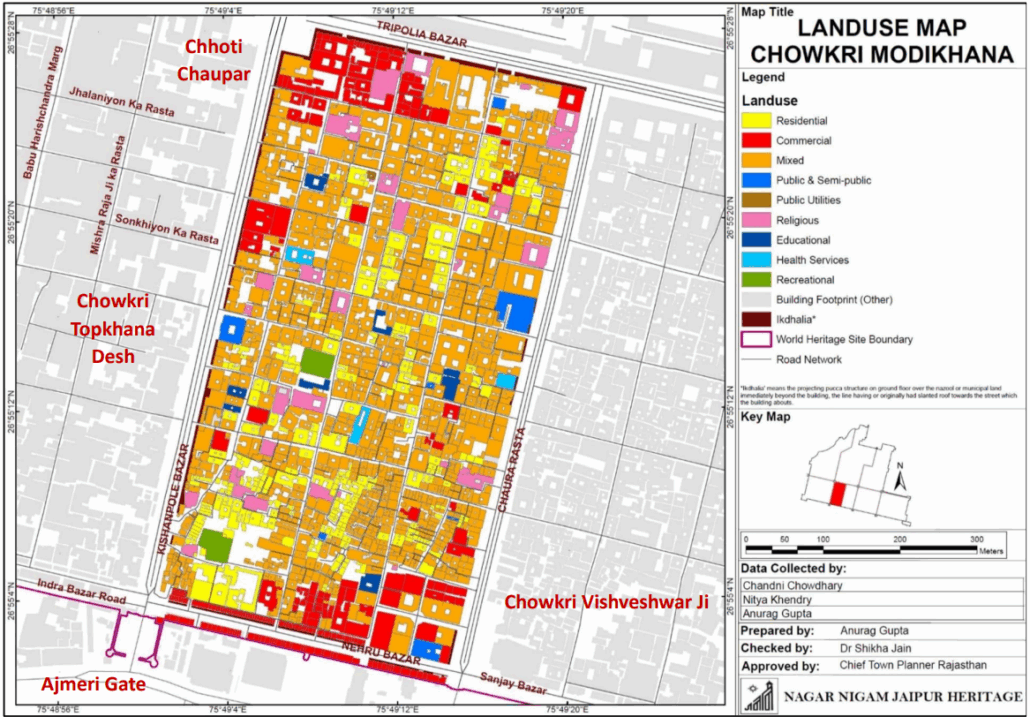
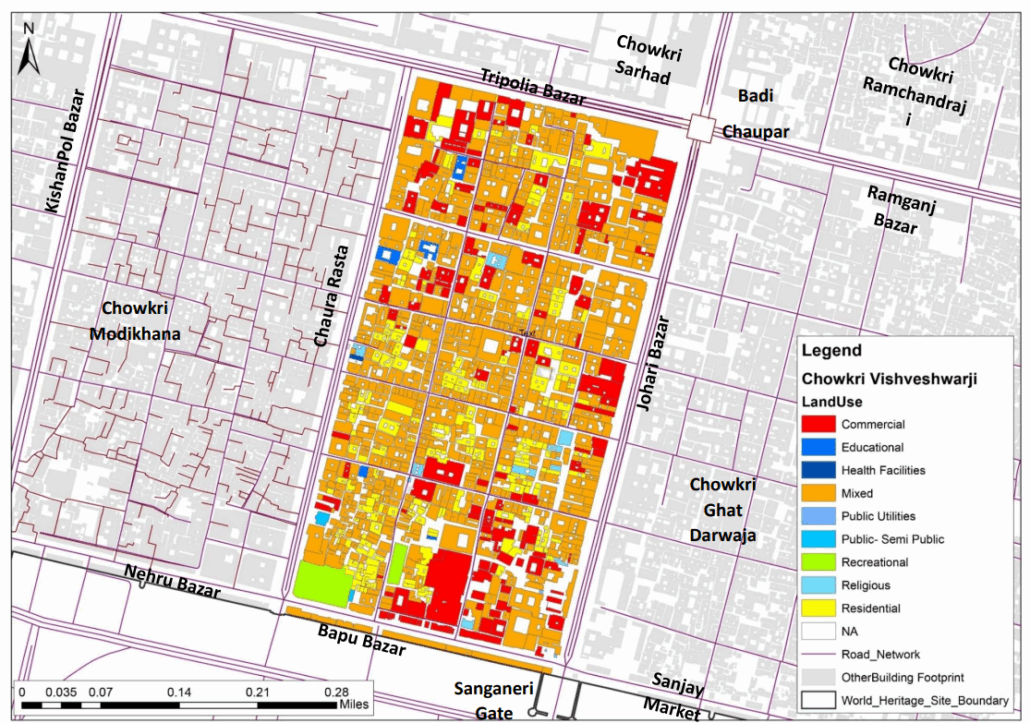
This philosophical framework is a powerful way to look at Urban Planning as well. When we look at a city, we aren’t looking at a map; we are looking at a series of overlapping temporal layers.
जैन दर्शन का अनेकान्तवाद हमें सिखाता है कि कोई भी वस्तु या सत्य एकांगी नहीं होता — उसमें अनेक पक्ष होते हैं। जब हम इस सिद्धांत को समय (Time Dimension) के साथ जोड़ते हैं, तो यह बनता है — समय-आधारित अनेकान्तवाद।
👉 सस्टेनेबल डिज़ाइन इसी विचार का व्यावहारिक रूप है।
⏳ Temporal Anekantavada क्या है?
सामान्य अनेकान्त → एक ही वस्तु में अनेक गुण
Temporal अनेकान्त → एक ही वस्तु में समय के अनुसार बदलते गुण
👉 अर्थात्, कोई भी डिज़ाइन:
- आज एक तरह से कार्य करता है
- भविष्य में दूसरी तरह से
- और लंबे समय में उसका प्रभाव अलग हो सकता है
🌍 सस्टेनेबल डिज़ाइन = समय के साथ बदलती सच्चाइयों का संतुलन
सस्टेनेबल डिज़ाइन केवल “ग्रीन” या “एनर्जी एफिशिएंट” नहीं है, बल्कि यह सोचता है:
- आज (Present) → उपयोगकर्ता की जरूरत
- कल (Future) → संसाधनों का संरक्षण
- दीर्घकाल (Long-term) → पर्यावरण पर प्रभाव
👉 यही Temporal Anekantavada है —
एक ही डिज़ाइन का मूल्यांकन अलग-अलग समय दृष्टियों से।
🏛️ उदाहरण 1: भवन का जीवन-चक्र (Building Life Cycle)
एक इमारत को देखें:
📌 वर्तमान (Present)
- आरामदायक स्पेस
- कम ऊर्जा खपत
- सुंदर डिजाइन
📌 भविष्य (Future)
- सामग्री पुनः उपयोग (Recyclable materials)
- मेंटेनेंस आसान
- बदलती जरूरतों के अनुसार adaptable
📌 दीर्घकाल (Long-term)
- पर्यावरण पर कम प्रभाव
- कम कार्बन फुटप्रिंट
- लंबी आयु (Durability)
👉 एक ही भवन के तीन समय-आधारित सत्य → अनेकान्त
🌿 उदाहरण 2: सामग्री का चयन (Material Selection)
📌 उदाहरण: Bamboo (बाँस)
- अभी → सस्ता, हल्का, तेजी से बनने वाला
- भविष्य → जल्दी खराब हो सकता है (यदि ट्रीटमेंट न हो)
- दीर्घकाल → biodegradable, पर्यावरण के लिए अच्छा
👉 एक ही material:
- फायदा भी है
- सीमाएँ भी हैं
➡️ समय के अनुसार मूल्य बदलता है → Temporal Anekant
🔄 उदाहरण 3: Adaptive Reuse (पुनः उपयोग)
📌 उदाहरण: पुरानी इमारत को नया उपयोग देना
- पहले → फैक्ट्री
- अब → आर्ट गैलरी या ऑफिस
👉 एक ही संरचना:
- समय के साथ अर्थ और उपयोग बदलता है
➡️ यह अनेकान्त का समय-आधारित रूप है।
🌞 उदाहरण 4: Climate Responsive Design
📌 एक घर:
- सर्दियों में → धूप अंदर लाता है
- गर्मियों में → छाया और वेंटिलेशन देता है
👉 एक ही डिजाइन:
- अलग मौसम (time cycle) में अलग व्यवहार करता है
➡️ यह भी Temporal Anekantavada है।
🧠 डिजाइनर के लिए सीख
सस्टेनेबल डिज़ाइन करते समय एक आर्किटेक्ट को सोचना चाहिए:
- क्या यह डिज़ाइन 10–20 साल बाद भी उपयोगी रहेगा?
- क्या यह बदलती जरूरतों के अनुसार adapt कर सकता है?
- क्या इसका पर्यावरण पर दीर्घकालिक प्रभाव सकारात्मक है?
👉 यानी, केवल “अभी” नहीं, बल्कि “समय के हर चरण” को ध्यान में रखना।
सस्टेनेबल डिज़ाइन वास्तव में Temporal Anekantavada है, क्योंकि:
- यह एक ही डिज़ाइन को कई समय-आधारित दृष्टिकोणों से देखता है
- वर्तमान, भविष्य और दीर्घकाल — सभी का संतुलन करता है
- और यही संतुलन उसे “सस्टेनेबल” बनाता है
👉 जब डिज़ाइनर अनेकान्त को समय के साथ जोड़ता है,
तो वह केवल इमारत नहीं बनाता —
बल्कि भविष्य के लिए जिम्मेदार समाधान तैयार करता है।