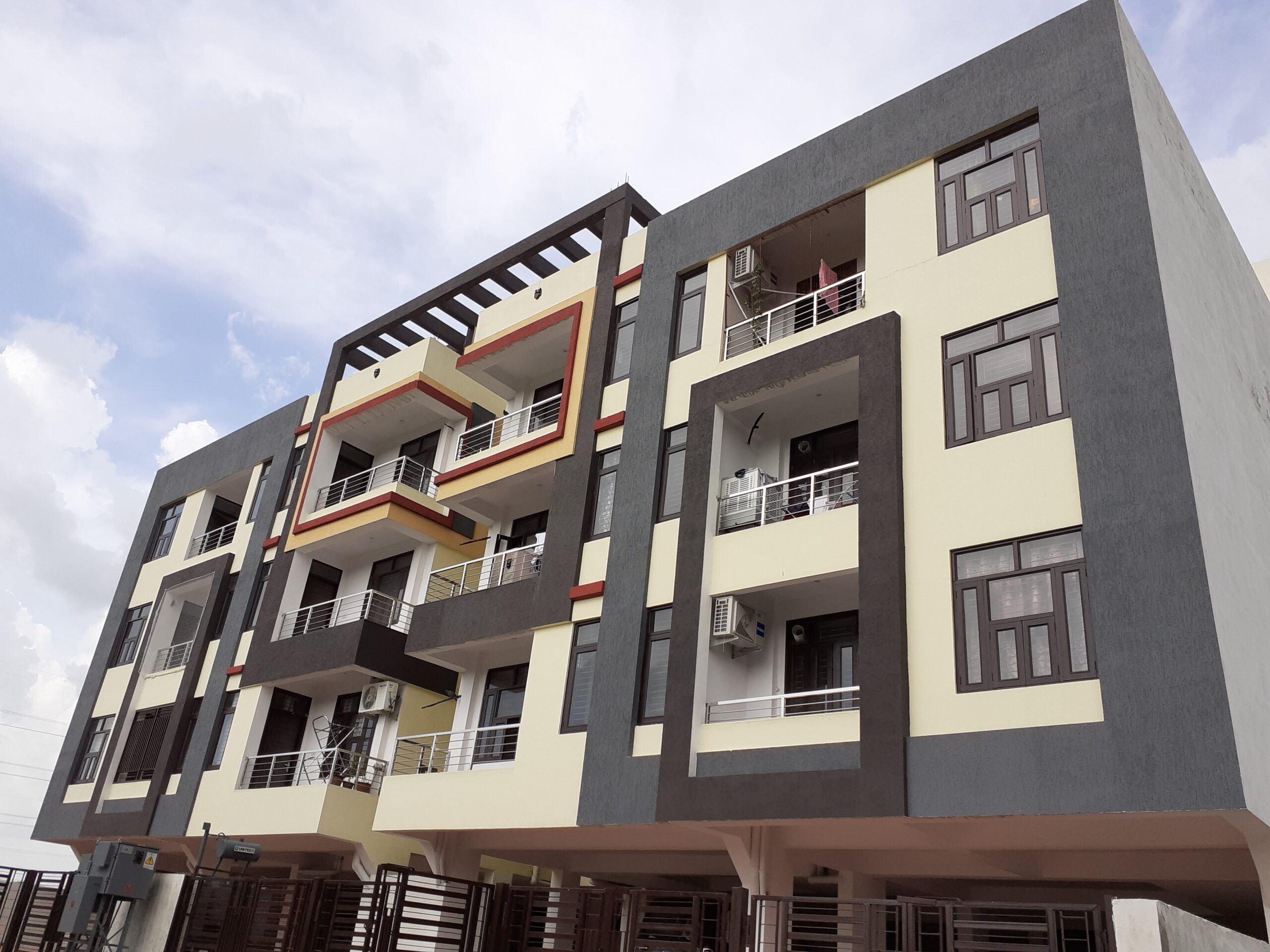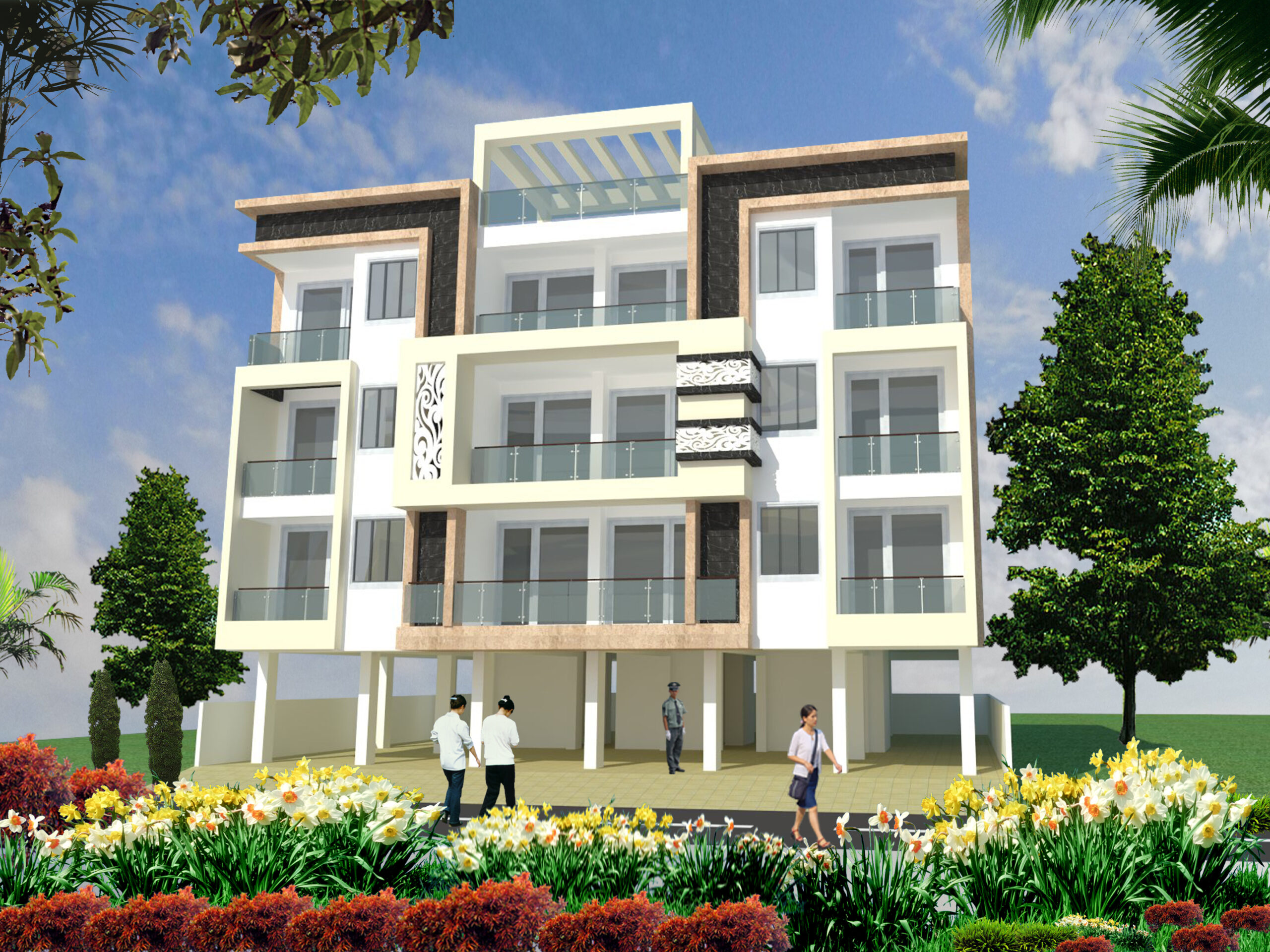
Project Details
Project Stage : Completed in 2012
Built-Up Area : 16000 sqft
Developer : Shri Ratnam Group
Address : 114, kanak Vihar, Ajmer road, Jaipur
Satellite Location : 26.88481323, 75.71355055
Role : Architectural Consultancy
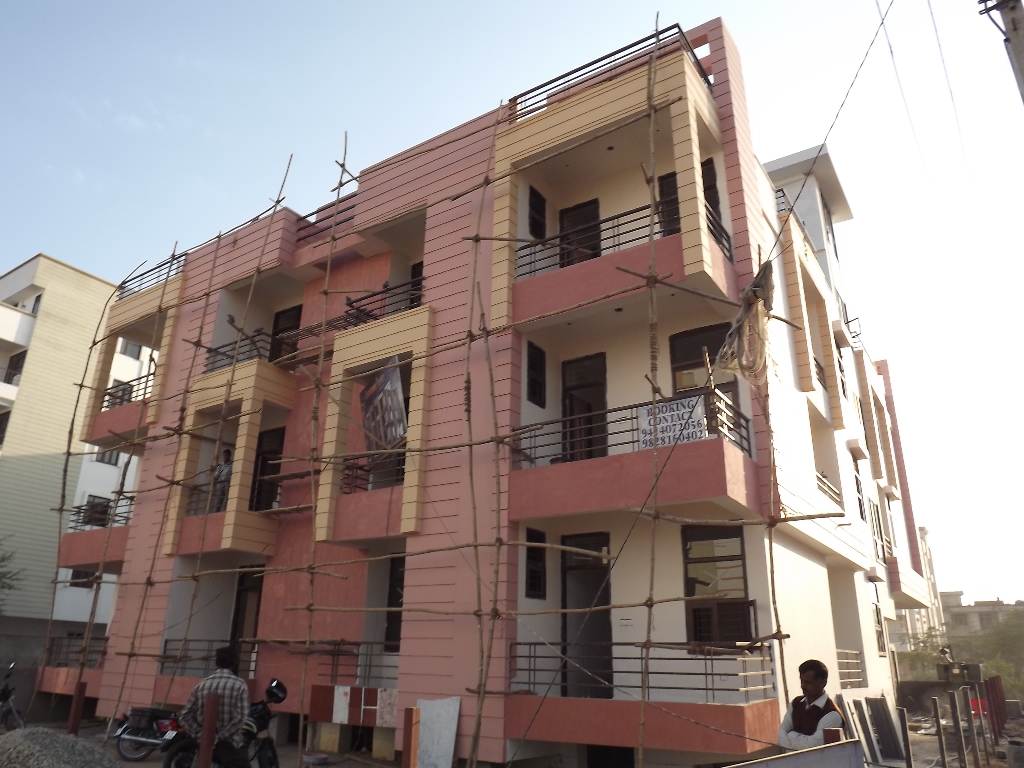

Project Stage : Completed in 2012
Built-Up Area : 16000 sqft
Developer : Shri Ratnam Group
Address : 114, kanak Vihar, Ajmer road, Jaipur
Satellite Location : 26.88481323, 75.71355055
Role : Architectural Consultancy
Project Stage : Completed in 2018
Built-Up Area : 4100 sqft
Owner : Mahaveer Jain Luhadia
Address: 2/510, Malviya Nagar, Jaipur
Satellite Location : 26.848624, 75.819609
Plot Size : 25’x50′
No of Floor : G+2
Role : Architectural Consultancy
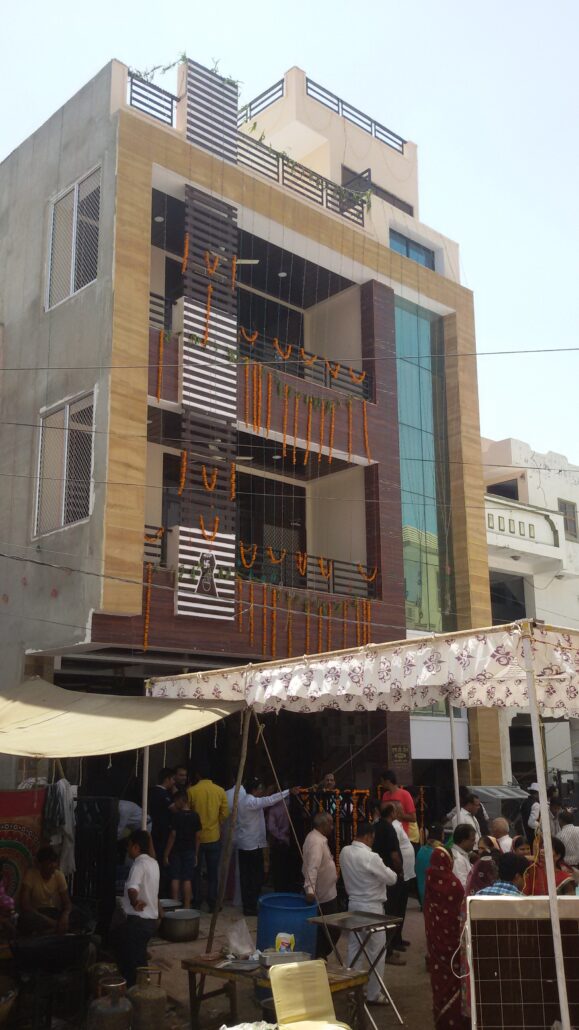

Project Stage : Completed in 2019
Built-Up Area : 31000 sqft
Developer : Shri Ratnam Group
Address : 136 137,Shree Ratnam the address, Indraprastha Colony, Chordia city Ajmer road, Jaipur, Rajasthan 302021
Satellite Location : 26.88657, 75.707
Role : Architectural Consultancy
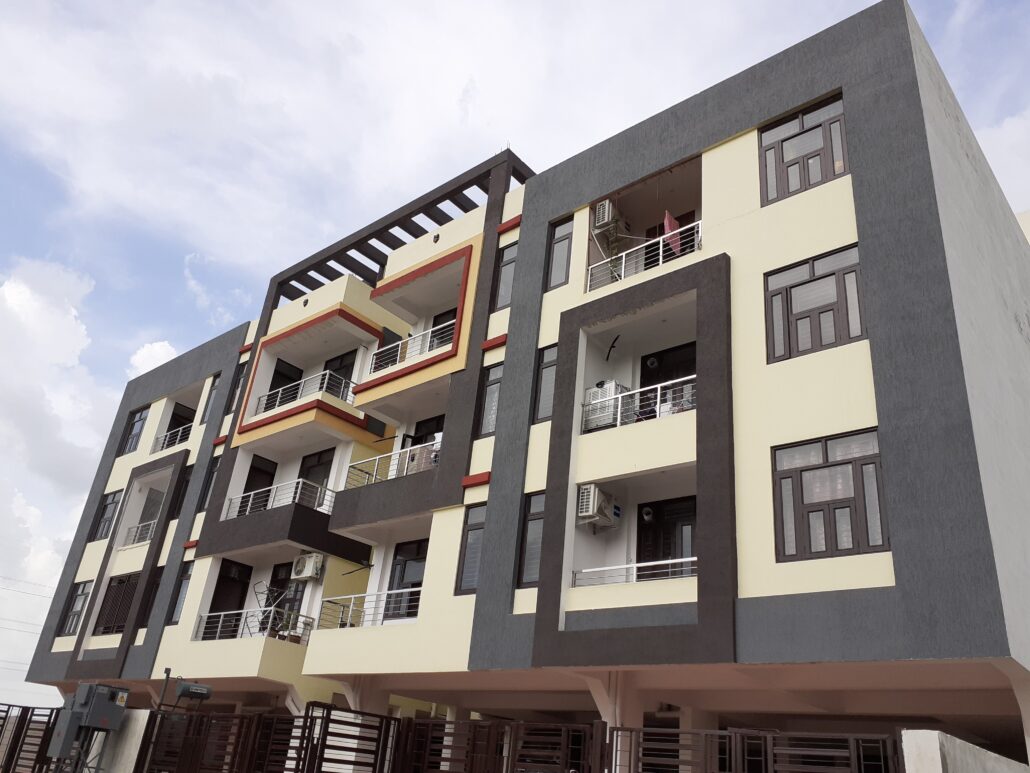
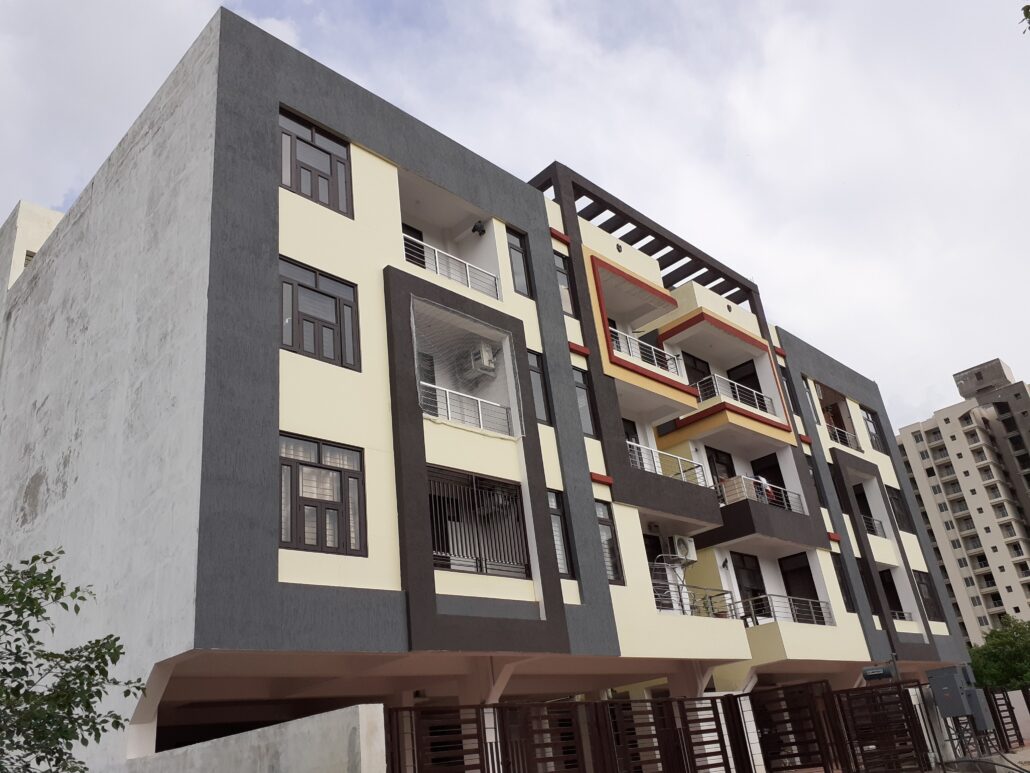
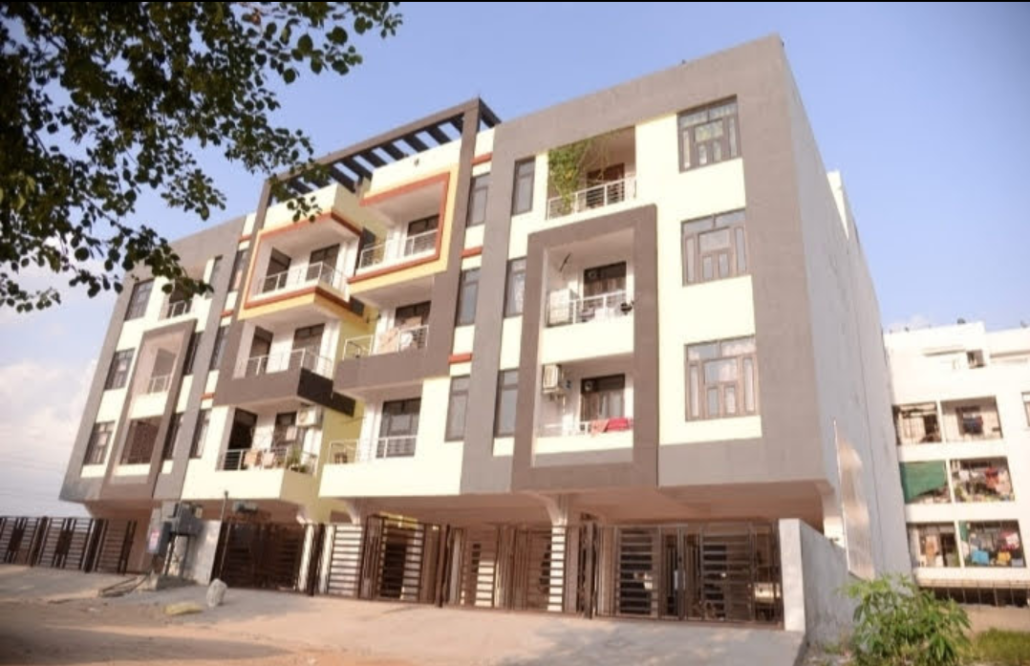
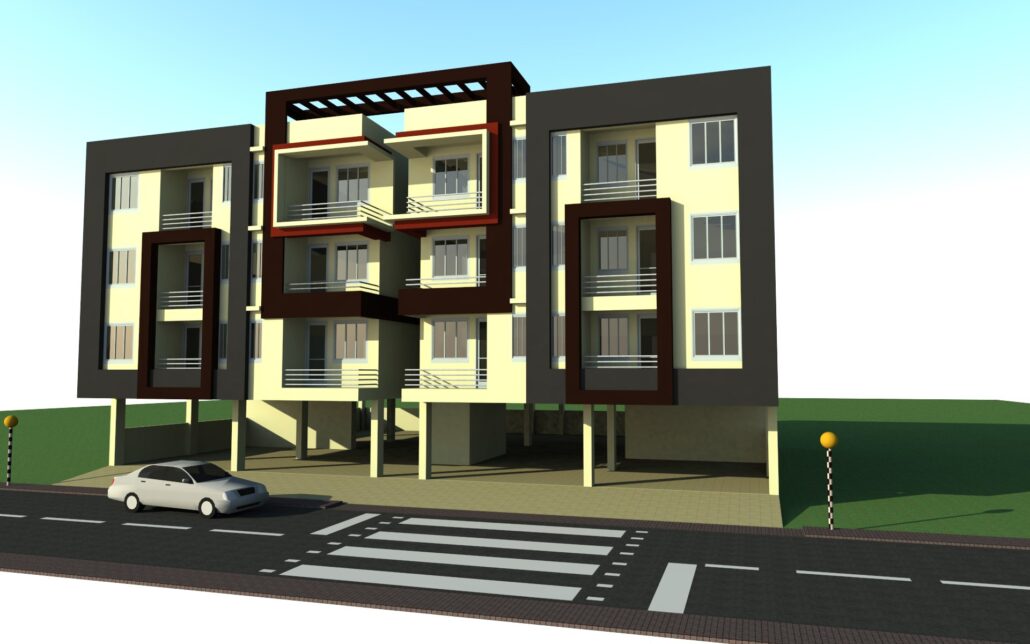
Project Stage : Completed in 2020
Built-Up Area : 18,500 sqft
Owner : Mr. Arifullah & Imamullah
Address : 1 & 1 A MADHAV DAS COLONY, Ramgarhmode, Jaipur, Rajasthan
Satellite Location : 26.94533643, 75.84542261
Role : Architectural & Interior Consultancy
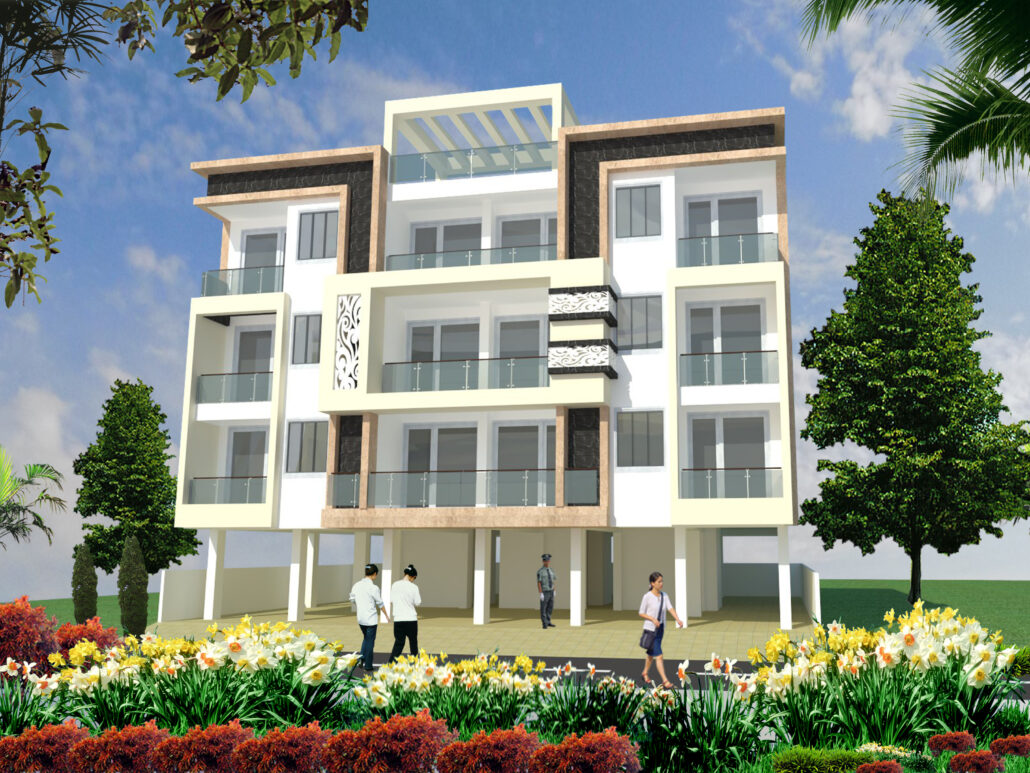
In the case of housing, occupancy rate is defined as the total number of occupants usually resident in private dwellings divided by the total number of occupied private dwellings. This metric is commonly used by government agencies and other organizations to track housing demand and the use of housing units.
The occupancy rate for housing can provide insight into factors such as household size, housing affordability, and availability of housing units. A high occupancy rate may indicate that households are living in overcrowded or shared housing conditions, while a low occupancy rate may indicate an oversupply of housing units or a lack of affordable options.
The occupancy rate can be a useful metric for a variety of purposes in the housing market. Here are a few examples of how it can be used:
The occupancy rate can provide valuable information about the state of the housing market and the use of housing units, and can be a useful tool for decision-making and policy development.
Crowding in households relates to situations where the number of people residing in a household exceeds the capacity of the household to provide adequate shelter and services to its members
In the context of housing, crowding refers to a situation where there are more people living in a dwelling than is considered comfortable or healthy. Crowding can be caused by a number of factors, including poverty, high housing costs, and limited availability of housing options.
The definition of what constitutes overcrowding can vary depending on the context, but it is generally considered to occur when there are too many people relative to the available space and resources in a dwelling. This can lead to a range of negative effects on physical and mental health, including increased risk of infectious diseases, respiratory problems, and psychological distress.
Crowding is often a particular issue in urban areas, where population densities are higher and housing costs can be prohibitively expensive for many residents. In some cases, overcrowding may also be a temporary condition caused by factors such as displacement due to natural disasters or conflict.
To address issues of crowding, policymakers and housing advocates may work to increase the availability of affordable and safe housing options, promote programs to assist low-income households with housing costs, and support efforts to reduce income inequality and poverty.
Housing and Environmental Planning.pdf
Register as member and login to download attachment use this only for Educational Purpose
Information on this site is purely for education purpose. The materials used and displayed on the Sites, including text, photographs, graphics, illustrations and artwork, video, music and sound, and names, logos, IS Codes, are copyrighted items of respective owners. Front Desk is not responsible and liable for information shared above.
The Housing Age is defined as the timeframe of a building/house till it remains livable for the households or till its demolition from the time of its construction and demolition have different aspects like Socio-economic condition of a region and household, Natural Disasters etc.
Housing age refers to the age of a building or housing unit. The age of a housing unit can have a significant impact on its condition, quality, and value. Older housing units may have outdated features or design elements, and may require more maintenance and repairs than newer units. Additionally, older units may not meet modern building codes or energy efficiency standards, which can result in higher utility costs and lower overall comfort.
The Housing Age depends on various factors:
The age of a housing unit is just one factor to consider when evaluating its suitability for a particular purpose, whether it be for personal residence, investment, or rental income. Other factors to consider may include location, size, condition, price, and the surrounding community.
Housing and Environmental Planning.pdf
Register as member and login to download attachment use this only for Educational Purpose
Information on this site is purely for education purpose. The materials used and displayed on the Sites, including text, photographs, graphics, illustrations and artwork, video, music and sound, and names, logos, IS Codes, are copyrighted items of respective owners. Front Desk is not responsible and liable for information shared above.
A deficiency or lack in the number of houses needed to accommodate the population of an area is called as Housing Shortage of that particular Area.
The new needs for housing units get generated by the rate of growth and the size of the future population as well as the rate of family household formation. Besides, that portion of housing stock which becomes deterioration and obsolete needs replacement over and above the needs arising out of the growth of population and households.
Housing shortage is a situation where the demand for housing exceeds the available supply. This can result in high housing costs, overcrowding, homelessness, and other social and economic problems.
Housing shortages can be caused by a range of factors, including population growth, migration, lack of new construction, low vacancy rates, and a lack of affordable housing options. Housing shortages can also be exacerbated by economic and social factors, such as income inequality and rising housing costs relative to income.
Housing shortages can have a number of negative impacts on individuals and communities, including increased homelessness, displacement of residents, reduced economic opportunities, and increased pressure on public services such as healthcare and education. Housing shortages can also lead to a decrease in quality of life, as residents may be forced to live in overcrowded or substandard conditions.
Governments, non-profit organizations, and private sector developers often work to address housing shortages by increasing the supply of affordable housing, providing subsidies and incentives for new construction, and implementing policies to protect tenants from displacement. Additionally, efforts to reduce income inequality and improve economic opportunities can also help to address housing shortages by increasing the ability of individuals and families to pay for housing.
Households residing in unacceptable conditions
Obsolescence Factor
Congestion Factor (Unacceptable as per social norms)
Houselessness
Distribution of estimated urban housing shortage in India (million)
As of 2012, the estimated urban housing shortage in India is around 18.78 million units. However, the distribution of this shortage is not uniform across the country and varies widely across different states and regions.
According to a report by the Technical Group on Urban Housing Shortage, the highest urban housing shortage in India is in the state of Uttar Pradesh, which has an estimated shortage of around 3.65 million units, followed by Maharashtra with a shortage of 2.56 million units and West Bengal with a shortage of 1.83 million units.
Other states with significant urban housing shortages include Andhra Pradesh, Tamil Nadu, Karnataka, Bihar, and Rajasthan. On the other hand, states like Goa, Sikkim, and Manipur have relatively low urban housing shortages.
It is important to note that the estimates of urban housing shortage in India are subject to variation and may be impacted by a range of factors, including changes in population growth, urbanization trends, and government policies aimed at addressing the shortage.
Factors As at end-2012
Households living in non-serviceable katcha houses 0.99
Households living in obsolescent houses 2.27
Households living in congested houses 14.99
Households in homeless condition 0.53
Total Urban Housing shortage 18.78
I. Economically Weaker Sections (EWS) 10.55 (56%)
II. Low Income Group (LIG) 7.41 (40%)
III. Medium and High income group (MIG+HIG) 0.82 (4%)
Note: Values in parentheses are percentage shares.
Source: Report of Technical Group (TG-12) on Estimation of Urban Housing Shortage 2012, Ministry of Housing & Urban Poverty Alleviation.
The methodology to find out housing shortage is illustrated in given table below. The data is to be taken from census for particular area. Quantitative housing shortage for a given period and for a particular area can be derived from census.
| No. | Component | Rural | Urban | Total |
| I | Number of Households | x1 | x2 | x1+y1=x3 |
| II | Number of Occupied Houses | y1 | y2 | y1+y2=y3 |
| III | Shortage( Over Crowding) | (x1-y1)=z1 | (x2-y2)=z2 | z1+z2=z3 |
| IV | Houseless Families ( estimated) | a1 | a2 | a1+a2=a3 |
| V | Total Quantitative Shortage | z1+a1=a4 | z2+a2=a5 | a4+a5=a6 |
For calculating quantitative and qualitative housing shortage we need to classify, and to estimate the number of houses, which are below minimal , accepted standards.
| No. | Component | Rural | Urban | Total |
| I | Houseless families | a1 | a2 | a3 |
| II | Overcrowding Families | z1 | z2 | z3 |
| III | Houses below minimal Standards | c1 | c2 | c3 |
| IV | Total Shortage both Quantitative and Qualitative. | a1+z1+c1= α | a2+z2+c2=β | a3+z3+c3=γ |
The total shortage both quantitative and Qualitative is arrived by ‘α’ for rural ‘β’ for urban and ‘γ’ as total.
Housing and Environmental Planning.pdf
Register as member and login to download attachment use this only for Educational Purpose
Information on this site is purely for education purpose. The materials used and displayed on the Sites, including text, photographs, graphics, illustrations and artwork, video, music and sound, and names, logos, IS Codes, are copyrighted items of respective owners. Front Desk is not responsible and liable for information shared above.
Housing demand refers to the willingness and ability to purchase a house.
Housing need refers to the number of houses required, given growth in households, itself derived from household size and population grow in that particular Area.
Essentially housing need is a number, derived from population and household size projections, that makes no allowance for affordability. If those who need houses are unable to afford houses, they don’t buy or demand them
Housing demand refers to the desire or willingness of individuals or households to pay for a particular type of housing, based on their preferences, income level, and other factors. Housing demand can be affected by a range of factors, including population growth, changes in household size and composition, economic trends, and demographic shifts. It is typically measured through surveys, market analyses, or other methods that examine the relationship between housing prices, availability, and other factors.
On the other hand, housing need refers to the objective requirement for housing that is necessary to meet the basic needs of individuals and households. Housing need is typically measured by comparing the number of households to the number of available housing units in a particular area, and taking into account factors such as overcrowding, homelessness, or substandard living conditions. Housing need is often used by governments and housing advocates to identify areas where there is a shortage of affordable or adequate housing, and to develop policies or programs to address these needs.
While housing demand and housing need are related, they are not always aligned. For example, a high level of housing demand in a particular area may not necessarily indicate that there is an unmet housing need, if there are already enough housing units available to meet the needs of the existing population. Conversely, a high level of housing need in an area may not necessarily translate into high demand for housing if the population does not have the financial means to pay for it.
Housing and Environmental Planning.pdf
Register as member and login to download attachment use this only for Educational Purpose
Information on this site is purely for education purpose. The materials used and displayed on the Sites, including text, photographs, graphics, illustrations and artwork, video, music and sound, and names, logos, IS Codes, are copyrighted items of respective owners. Front Desk is not responsible and liable for information shared above.
The determinants of housing form can vary depending on a range of factors, including economic, social, and environmental factors. Some of the key determinants of housing form include:
In summary, the determinants of housing form can be complex and multifaceted, with a range of economic, social, environmental, and regulatory factors influencing the choices that individuals and households make.
Housing and Environmental Planning.pdf
Register as member and login to download attachment use this only for Educational Purpose
Information on this site is purely for education purpose. The materials used and displayed on the Sites, including text, photographs, graphics, illustrations and artwork, video, music and sound, and names, logos, IS Codes, are copyrighted items of respective owners. Front Desk is not responsible and liable for information shared above.
Housing is an important component of development as it plays a critical role in providing people with a basic need – a safe, secure and comfortable place to live. Access to adequate housing is not only essential for meeting the basic needs of individuals and families, but it is also an important factor in achieving broader development goals such as poverty reduction, economic growth, and social inclusion.
Adequate housing is a fundamental human right that is recognized by international law and has been incorporated into the development agendas of many countries. The provision of affordable and sustainable housing can help to reduce poverty by providing a stable base from which people can access education, employment, and other services. It can also contribute to economic growth by providing construction jobs and generating demand for goods and services in the local economy.
Moreover, housing is not just a physical structure but also a social space that enables people to participate in community life, build social networks, and access public services. Adequate housing can help to promote social inclusion and reduce inequality by providing people with access to resources and opportunities that they might not otherwise have.
Housing plays an important role in development of a Region/Nation:
The increase in housing activity needs more building materials like bricks, tiles, timber products, sand metal, electrical and sanitary equipments, plumbing materials etc. Most of them produced by small scale industries, thus leading to development of more industries and thereby more job opportunities.
Housing brings considerable income to the Central, State and Local Governments by ways of
Thus any amount invested in Housing has multiplier effect and therefore it is a productive and developmental activity. In general, it can be stated that the housing has potentiality to a great extent in promoting human welfare, social life, economic growth, health of community and various other related aspects of human life.
In summary, housing is an important component of development as it contributes to poverty reduction, economic growth, and social inclusion. It is a basic human need that must be addressed in order to promote sustainable development and ensure that all people have the opportunity to live a decent life.
Housing and Environmental Planning.pdf
Register as member and login to download attachment use this only for Educational Purpose
Information on this site is purely for education purpose. The materials used and displayed on the Sites, including text, photographs, graphics, illustrations and artwork, video, music and sound, and names, logos, IS Codes, are copyrighted items of respective owners. Front Desk is not responsible and liable for information shared above.