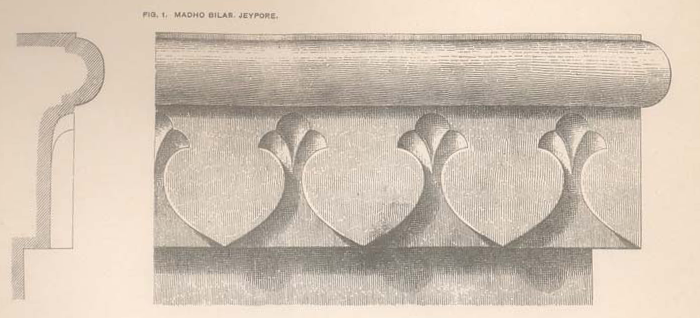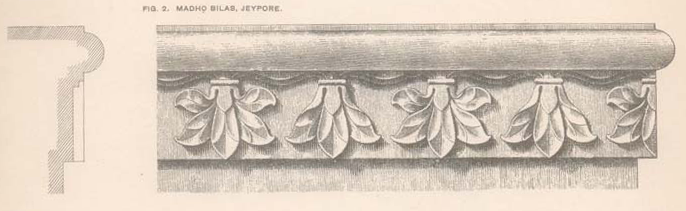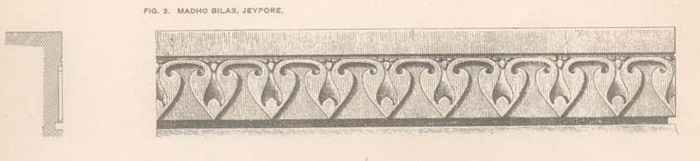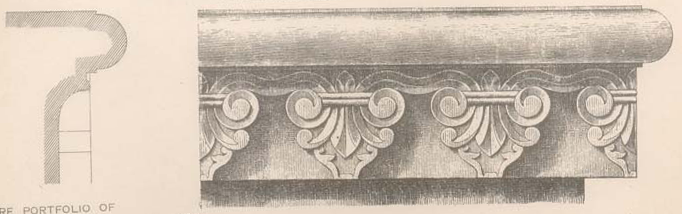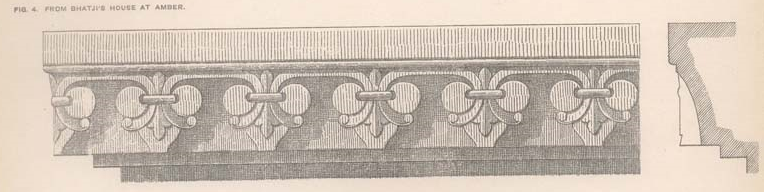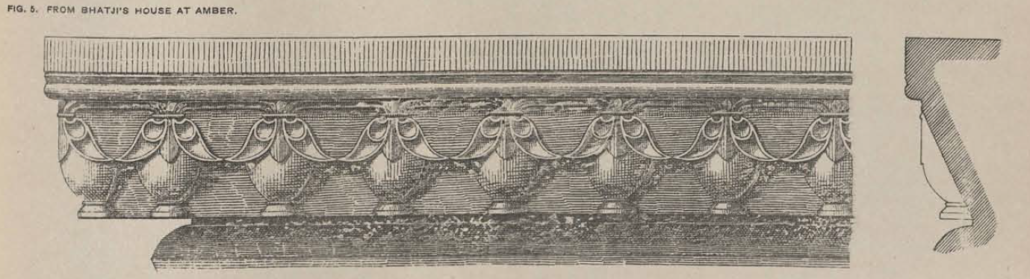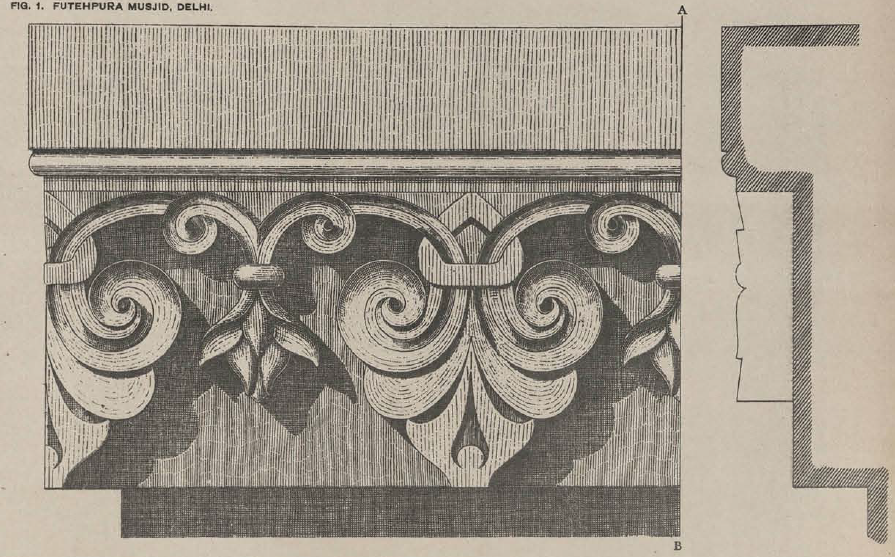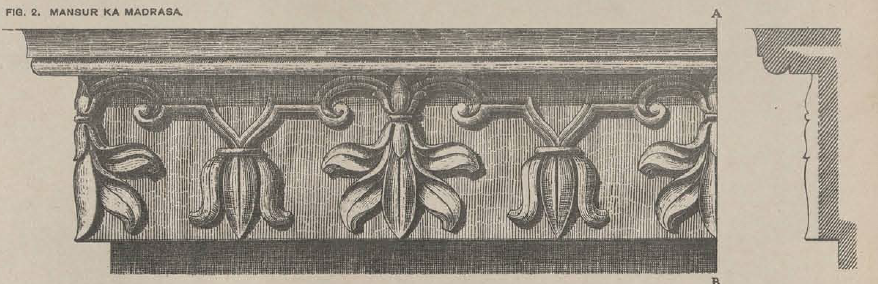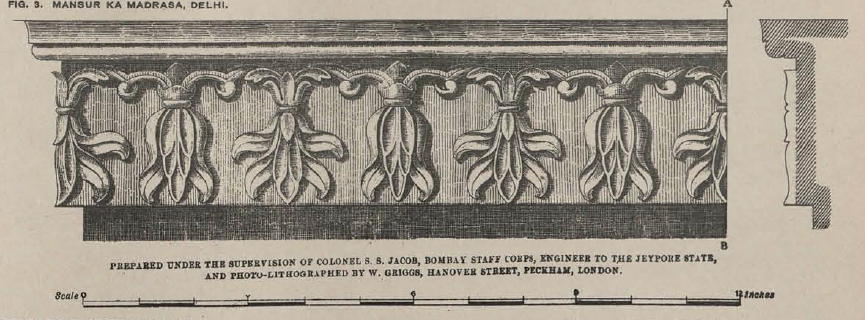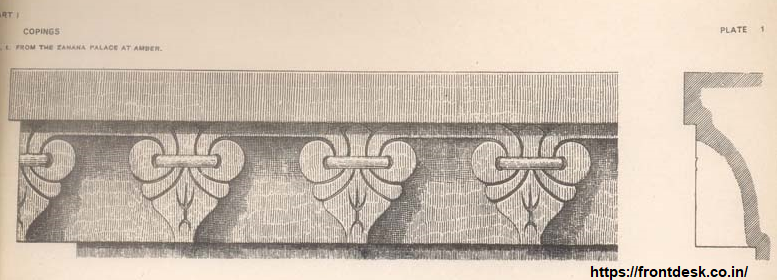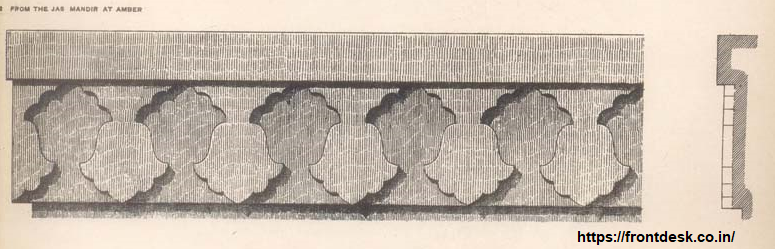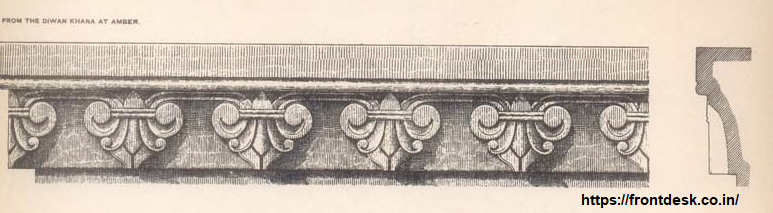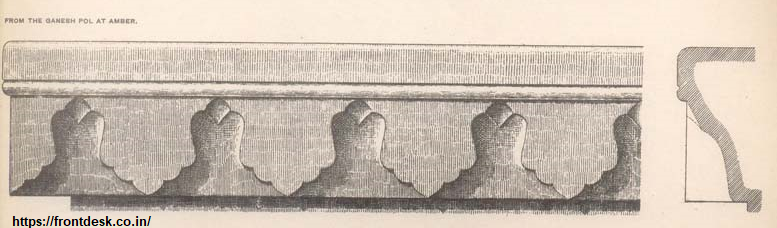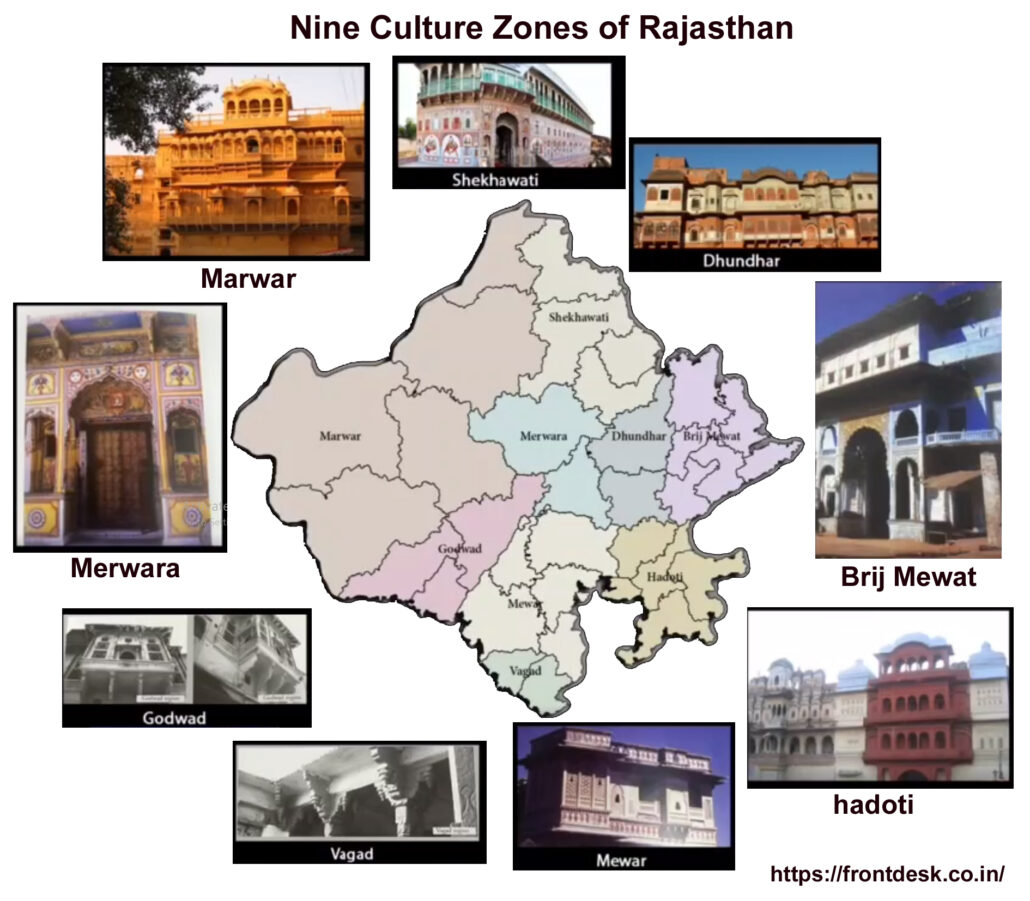

Part-1 Coping and Plinths
Plate -1 | Plate 2 | Plate 3
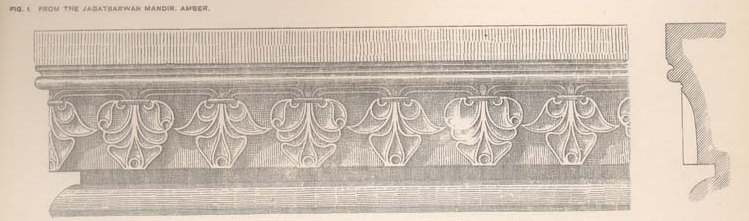
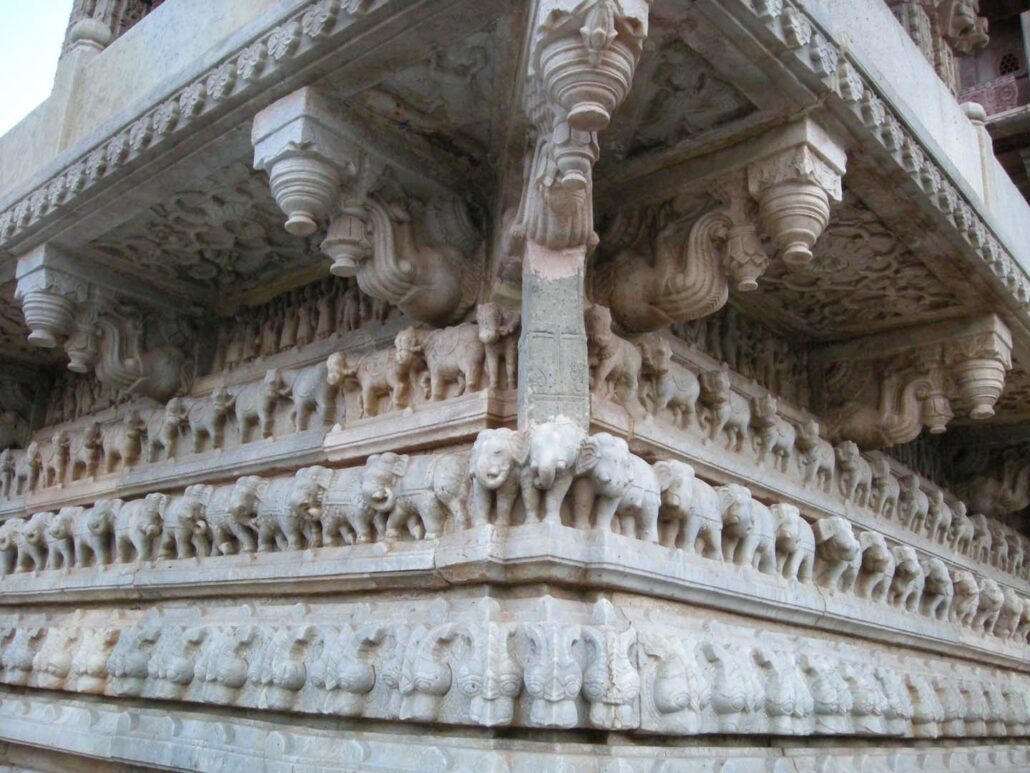
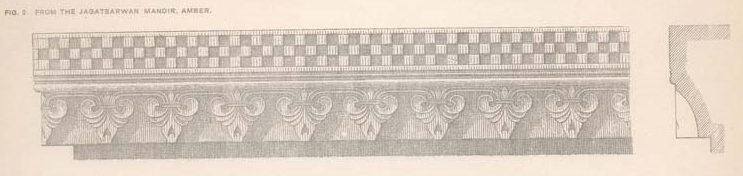
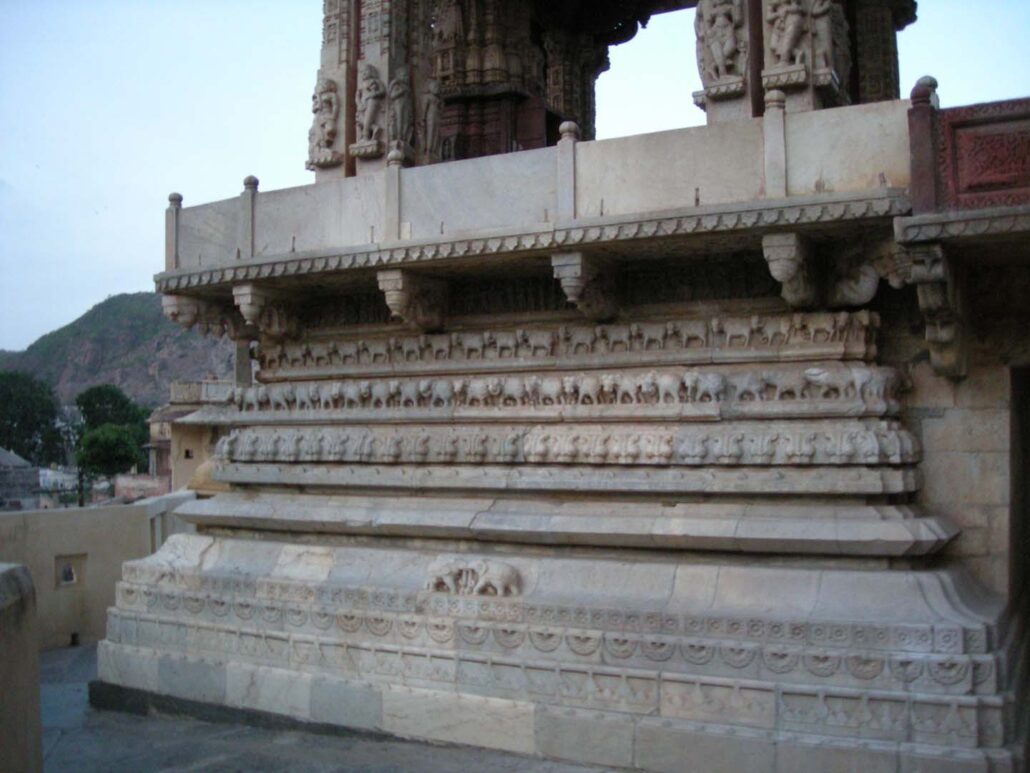
Plate 4 : Coping from Jain Mandir at Jaipur walled city
The Mandir or Temple from which these mouldings are taken was erected by the Jain community in the early part of the 18th century, when Jaipur became the seat of government, A.D. 1728.
The architecture and design of such temples can be quite intricate and are often adorned with decorative elements and moldings that reflect the craftsmanship and artistry of the time. Jain temples, in particular, are known for their ornate and detailed carvings.
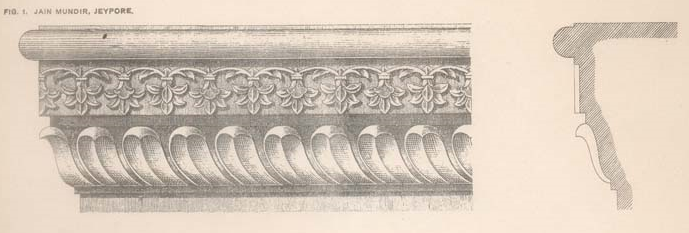
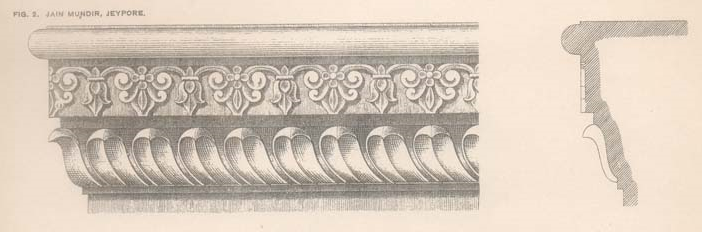
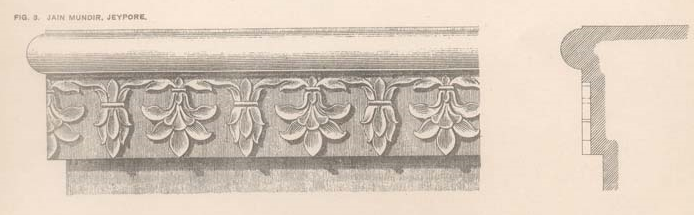
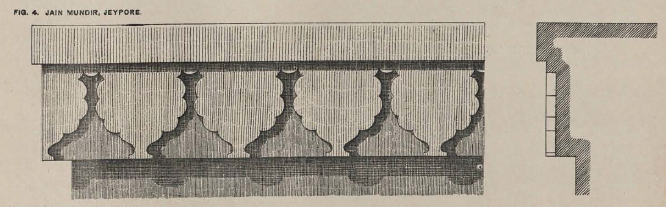
The architecture of Jain temples in Jaipur is a testament to the rich heritage and artistic tradition of the Jain community and the skilled craftsmen of the region. These temples are not only places of worship but also architectural marvels that attract tourists and art enthusiasts from around the world.
Home page of Jeypore portfolio of architecture details
Part-1 Coping and Plinths
Plate -1 | Plate 2 | Plate 3 | Plate 5 | Plate 6 | Plate 7 | Plate 8 | Plate 9 | Plate 10 | Plate 11 | Plate 12
This information is provided by the Front Desk Architects and Planners Forum (FDAPF) under Fair Use guidelines for educational and research purposes. To the best of our knowledge, it is in the public domain, and our goal is to make it more accessible for student of Architecture and Planning .
The materials used and displayed on the Sites, including text, photographs, graphics, illustrations and artwork, video, music and sound, and names, logos, IS Codes, are copyrighted items of respective owners. FDAPF is not responsible and liable for information shared above.
If you are the intellectual property owner and have concerns, please contact us, and we will address the matter promptly. Users are advised to verify legal use in their jurisdiction before accessing this material. For more details, visit our website.